Those who forget history are
doomed to repeat it
Teaching history through play · inspired by Chhatrapati Shivaji Maharaj
Those who forget history are doomed to repeat it.
George Santayana
History is not a list of dates — it is the record of choices people made under pressure, and what those choices cost. When a generation stops learning from it, the same errors return wearing new clothes. Learning from history is how a society keeps its hard-won wisdom.
Two things drive this project: the ideals and contribution of Chhatrapati Shivaji Maharaj, whom I admire very much — and a long fascination with creating interactive learning experiences, where you don't just read history but step inside it, make its choices yourself, and feel why they mattered. This post is what I built, and where you can play it.
While I was in India, figuring out what to do next, I set out to make learning fun using games. After a lot of ideation, I decided to build a game about the history of India's freedom struggle, starting with Shivaji Maharaj in the 17th century.
I wanted to build this game so that the sacrifices made by countless people for our freedom do not go to waste, and so that the new generation knows their stories. History is often taught in a very boring way in schools, and I wanted to convey it through games so that future generations do not repeat the same mistakes.
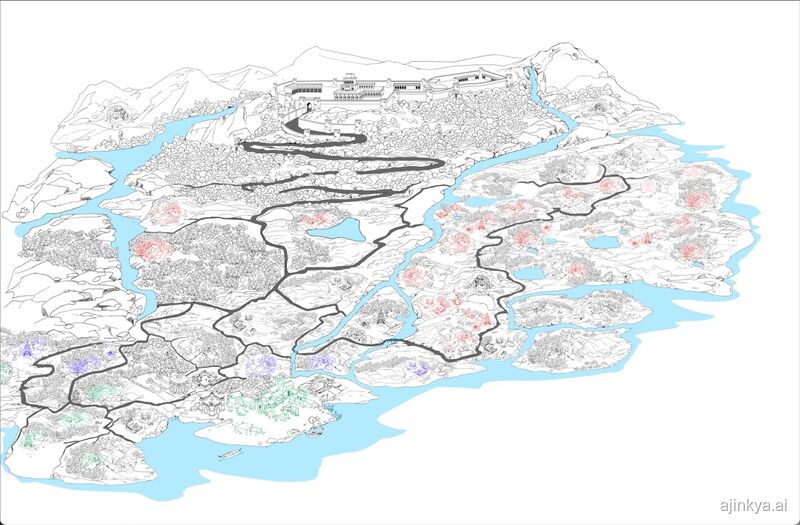
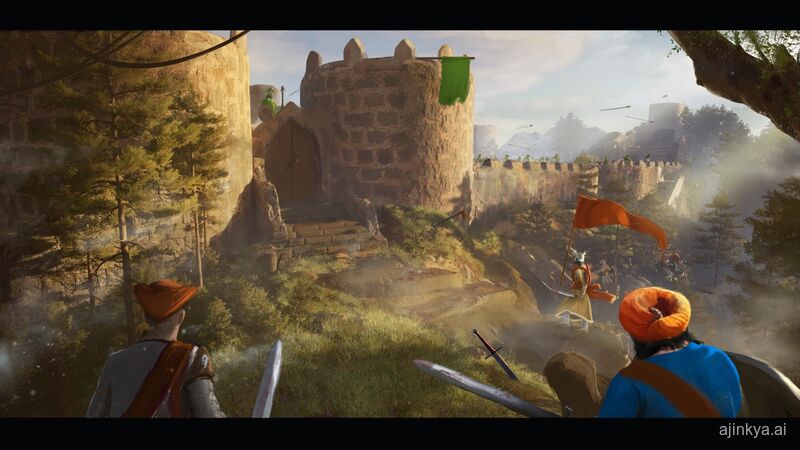
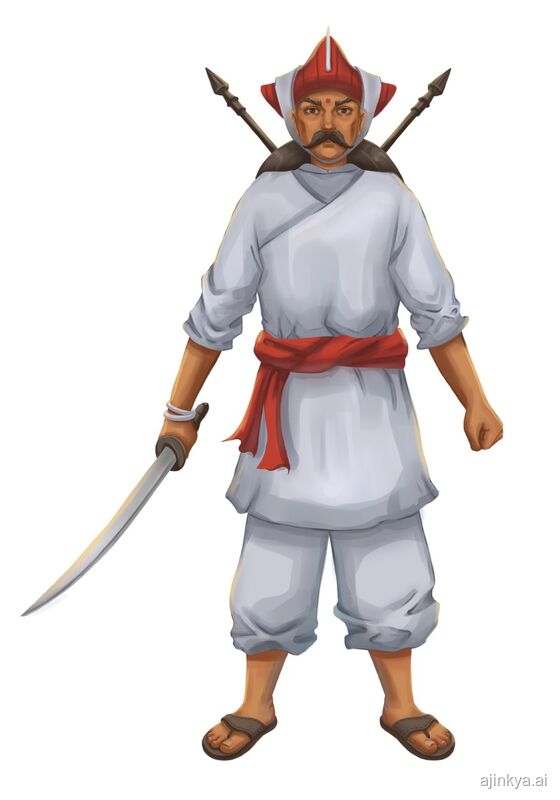
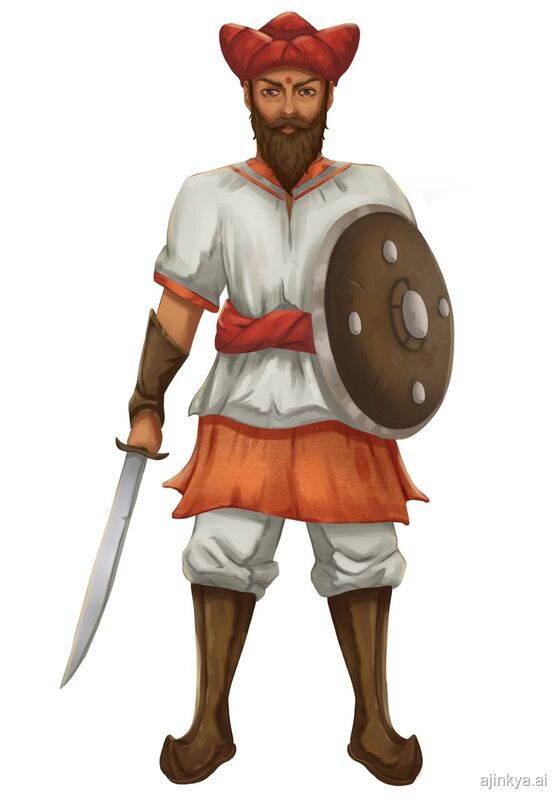
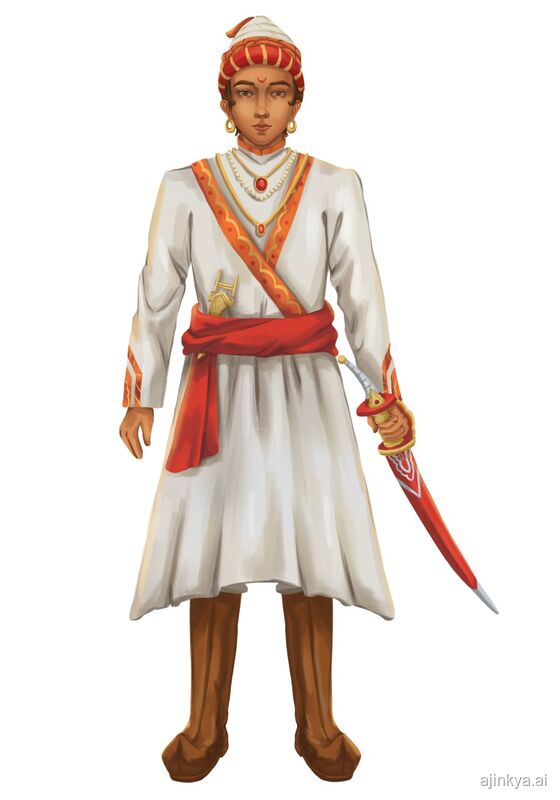
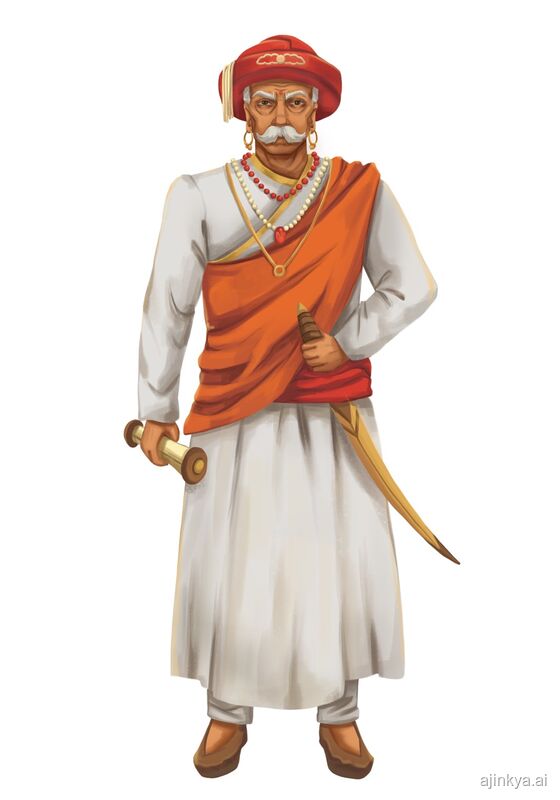
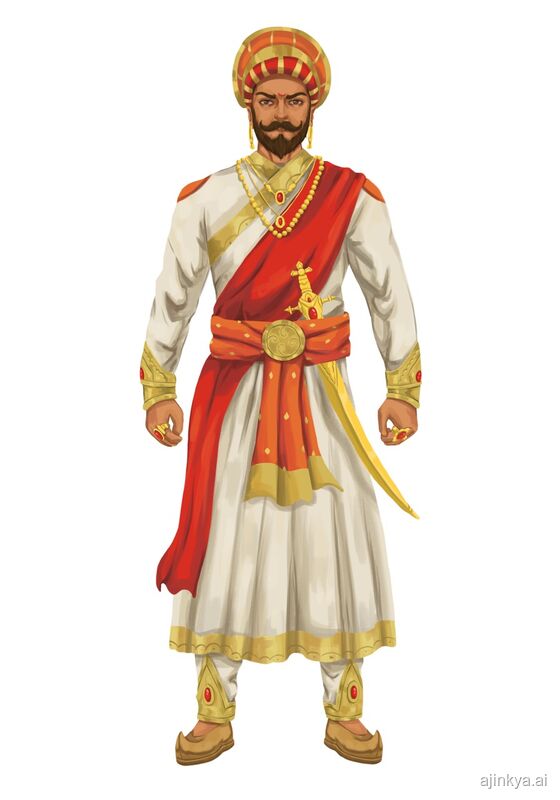
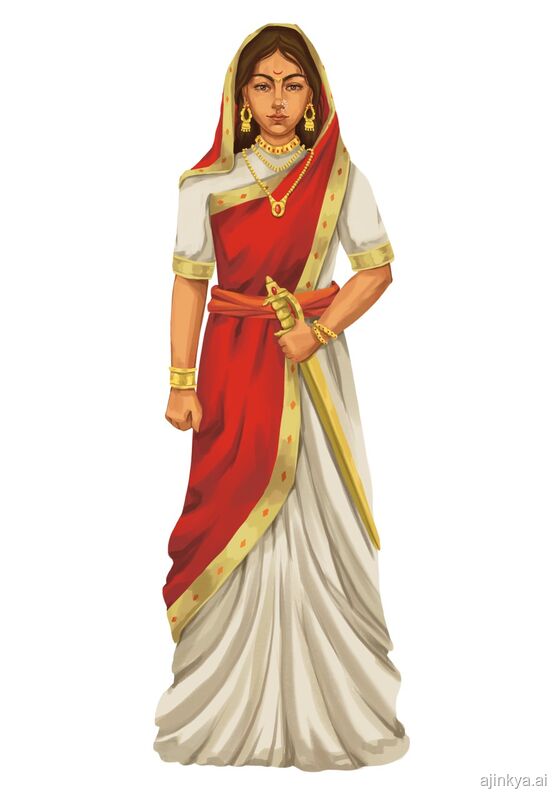
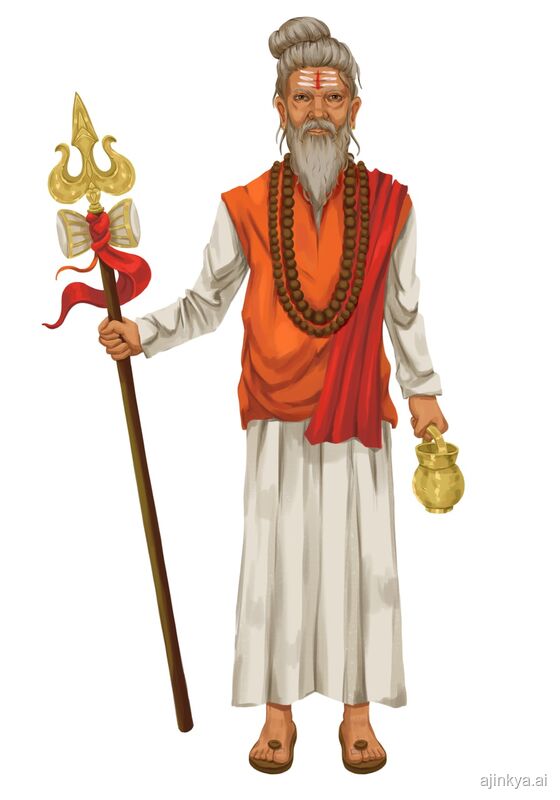
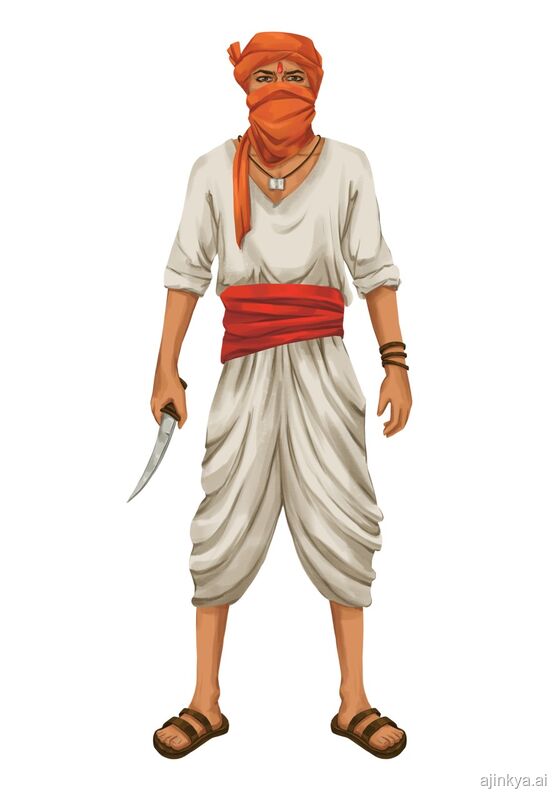
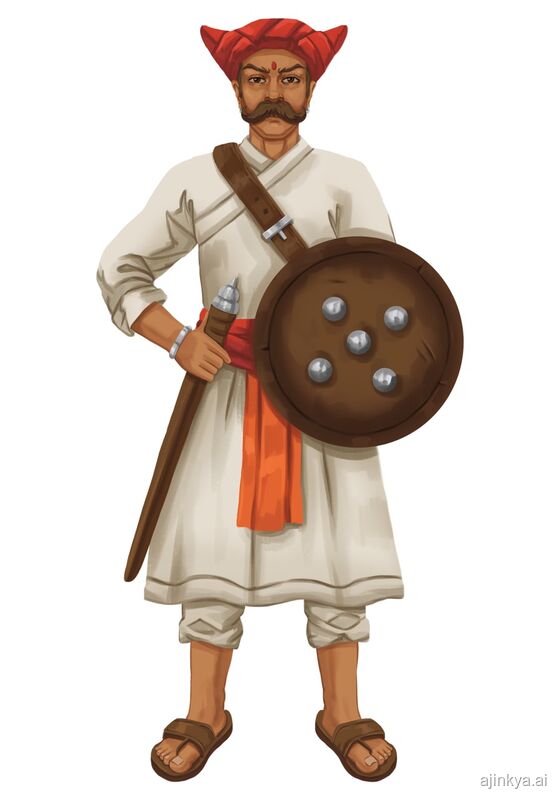
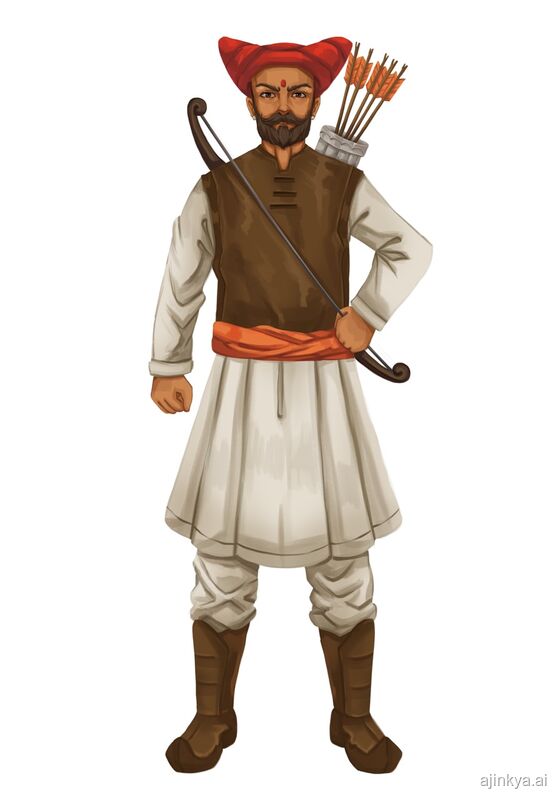
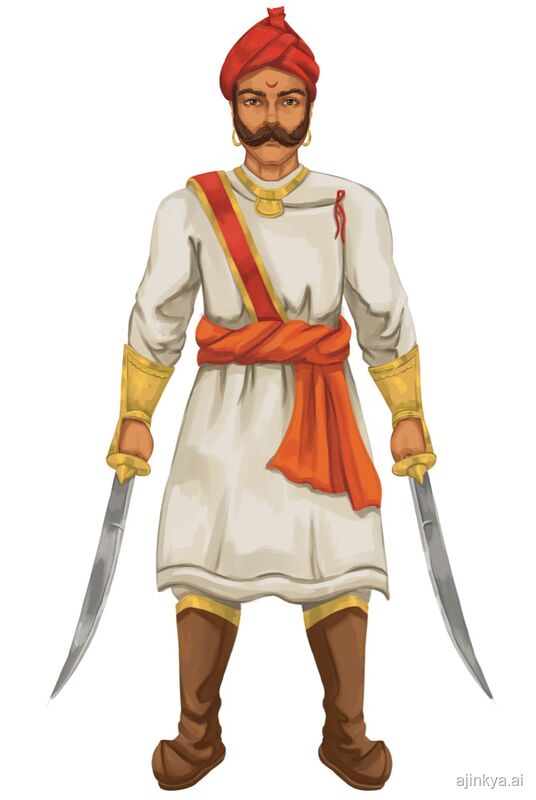
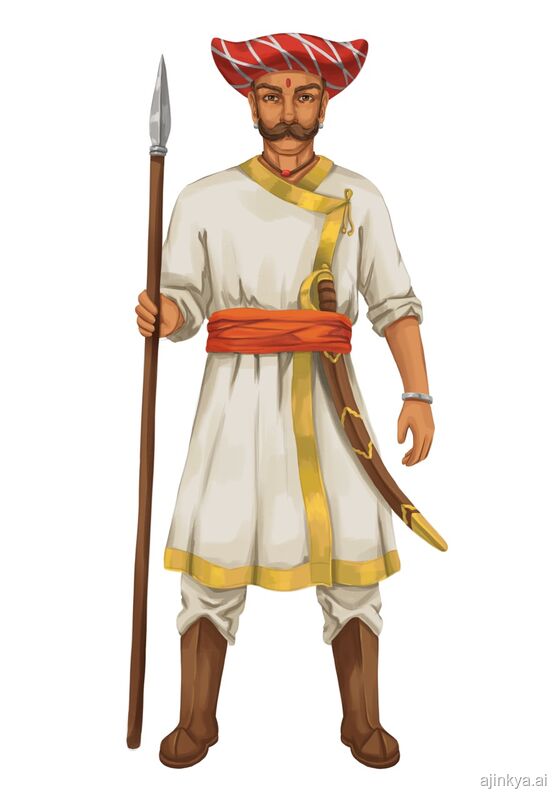
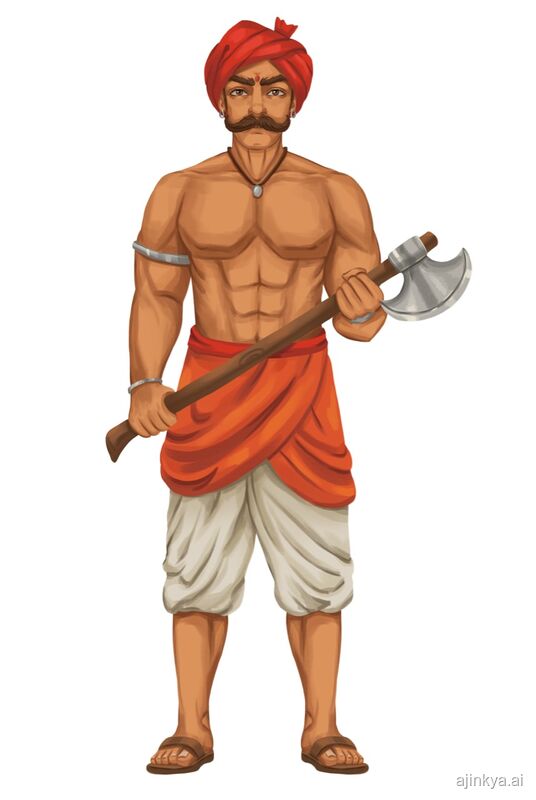
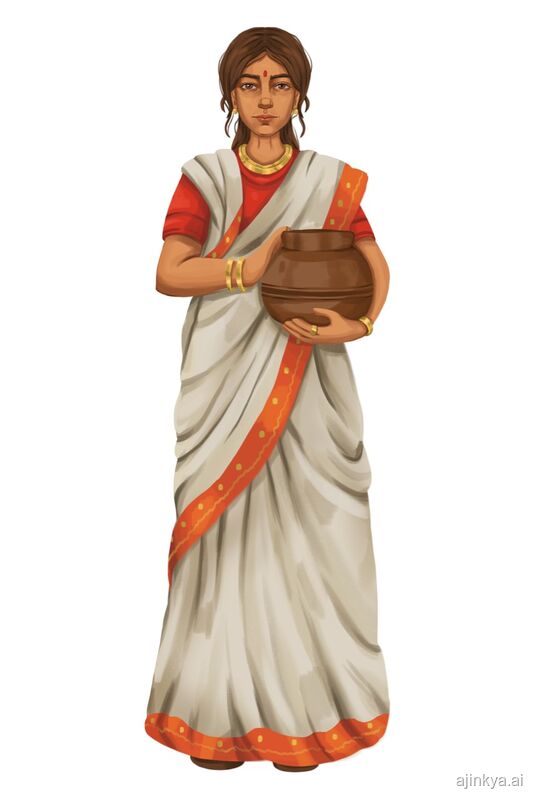
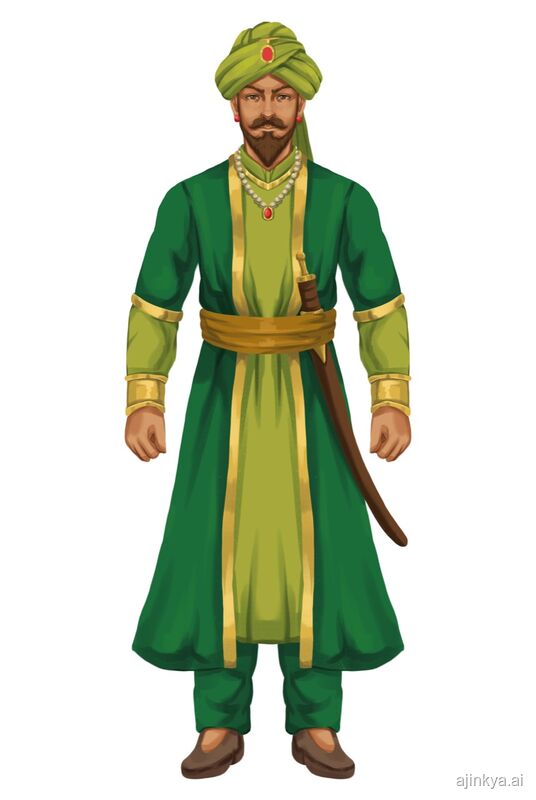
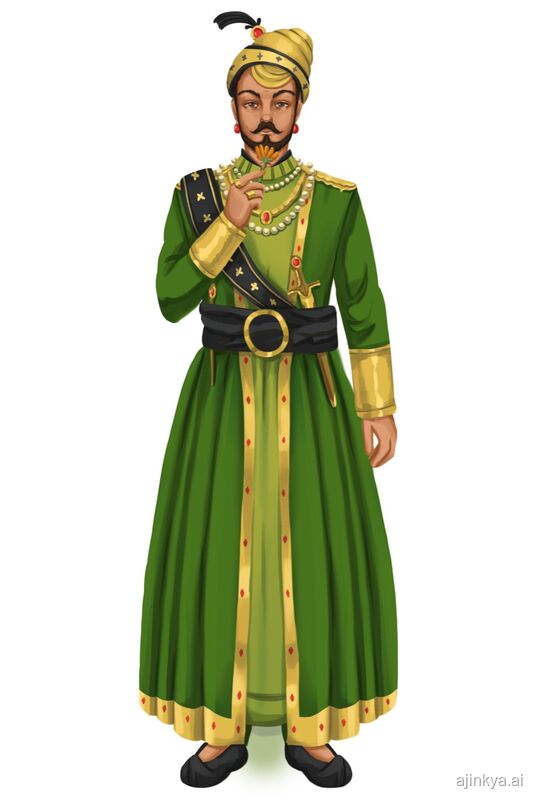
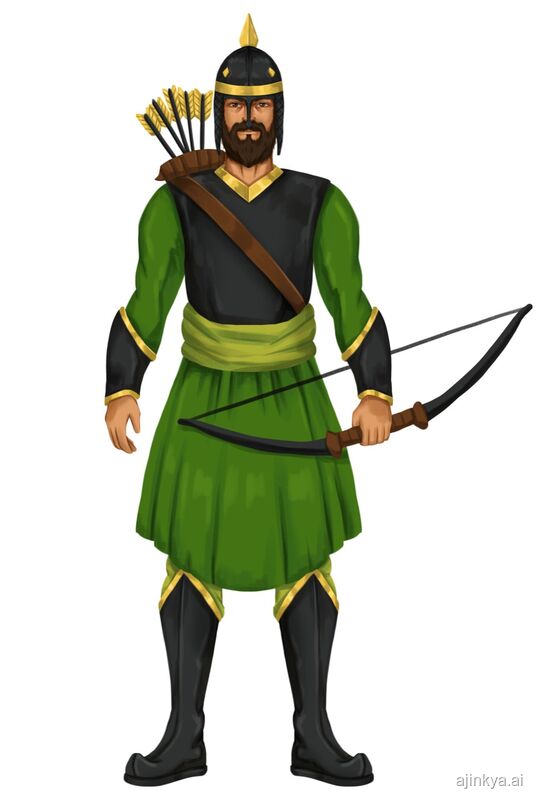
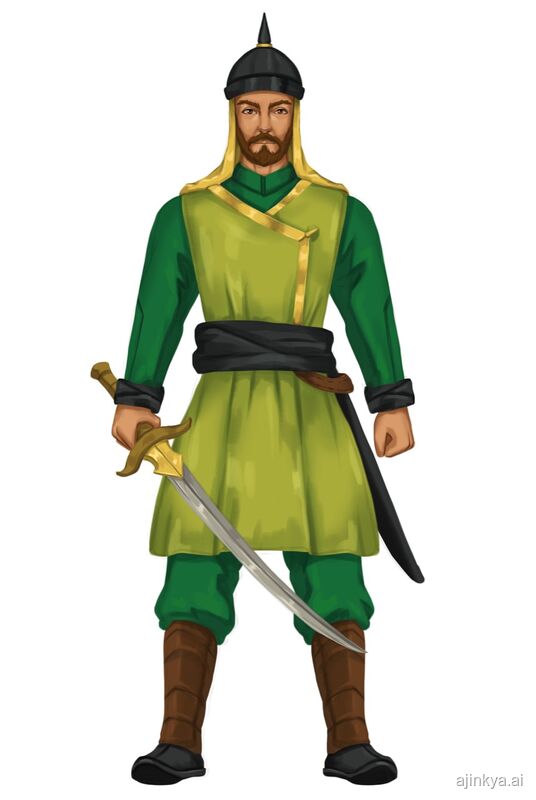
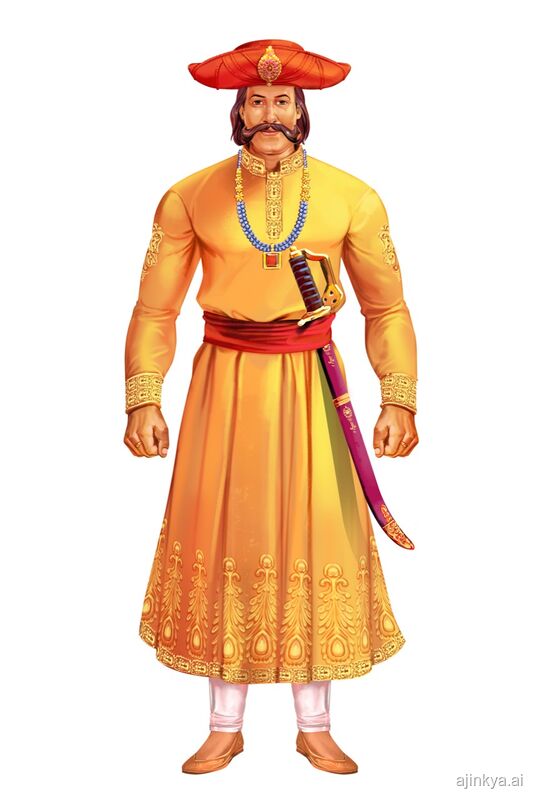
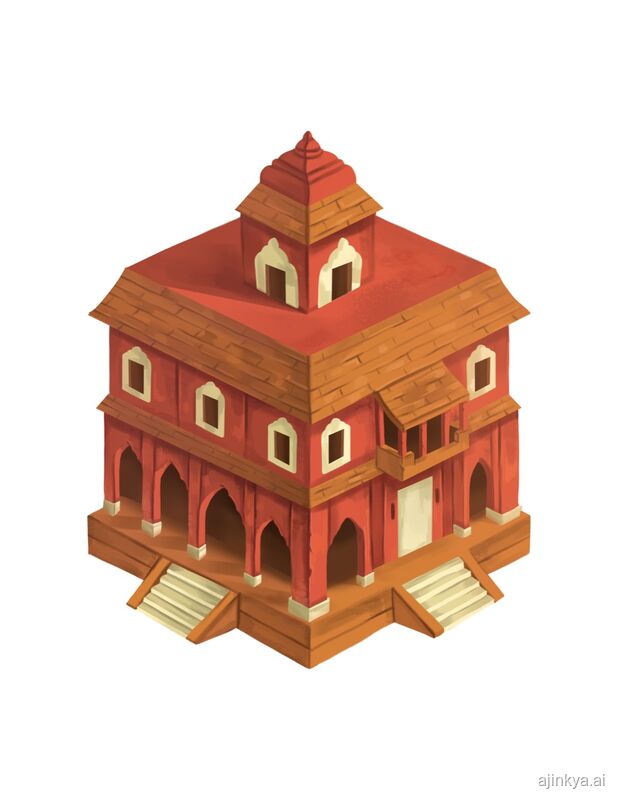
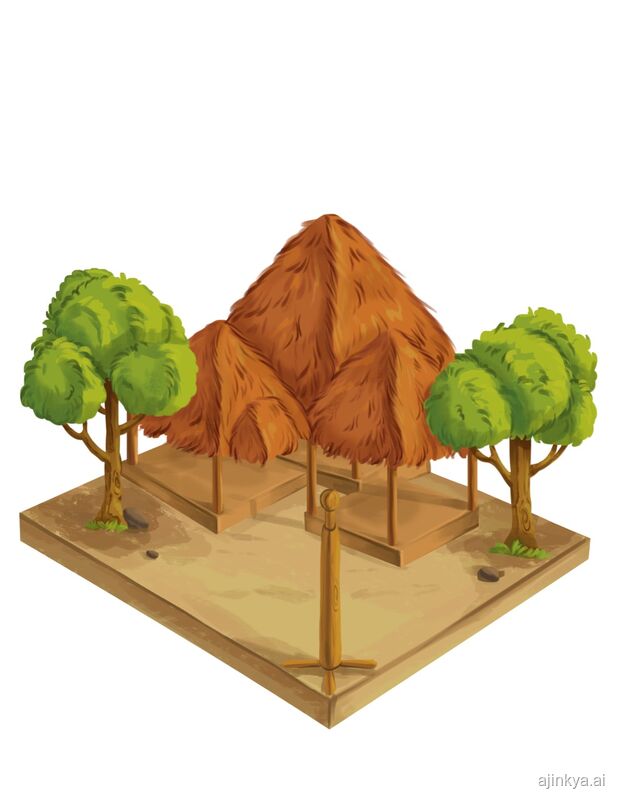
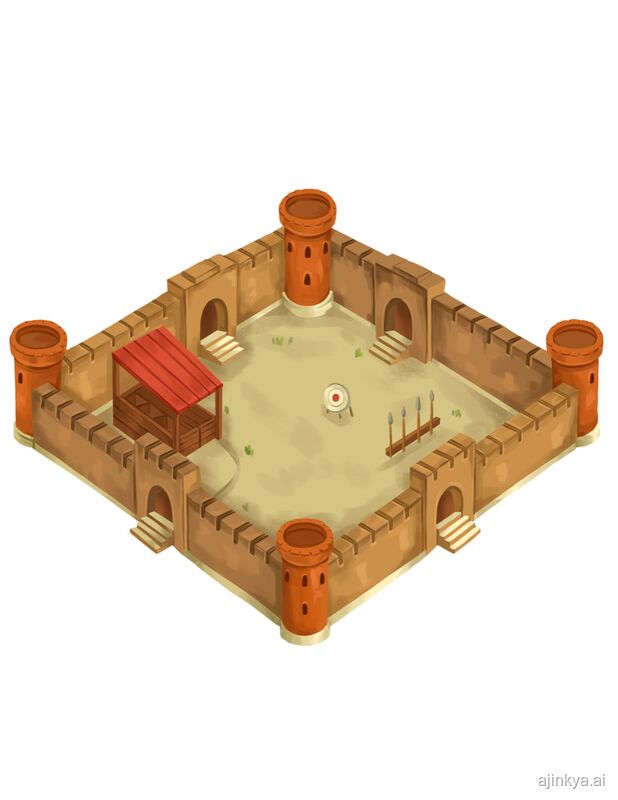
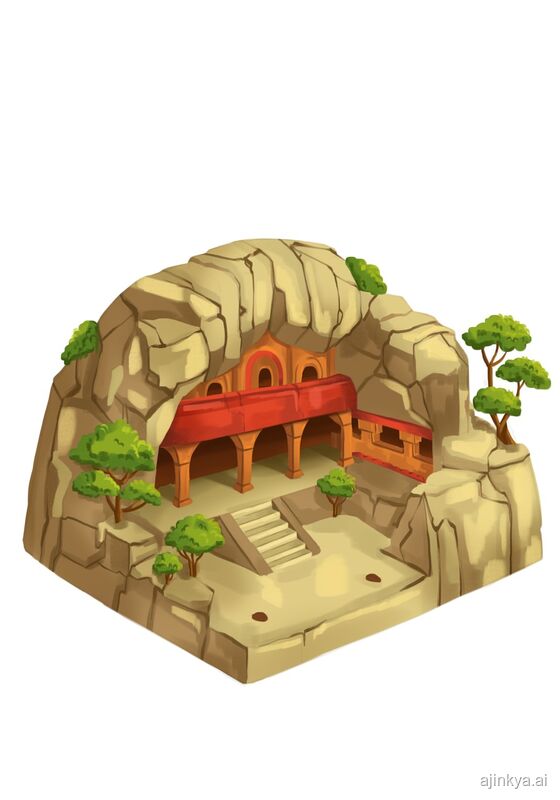
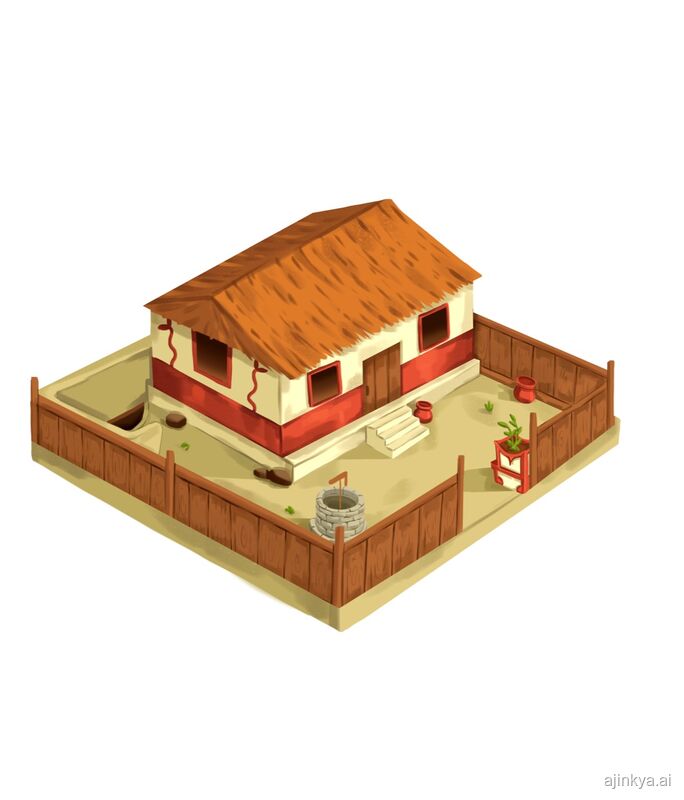
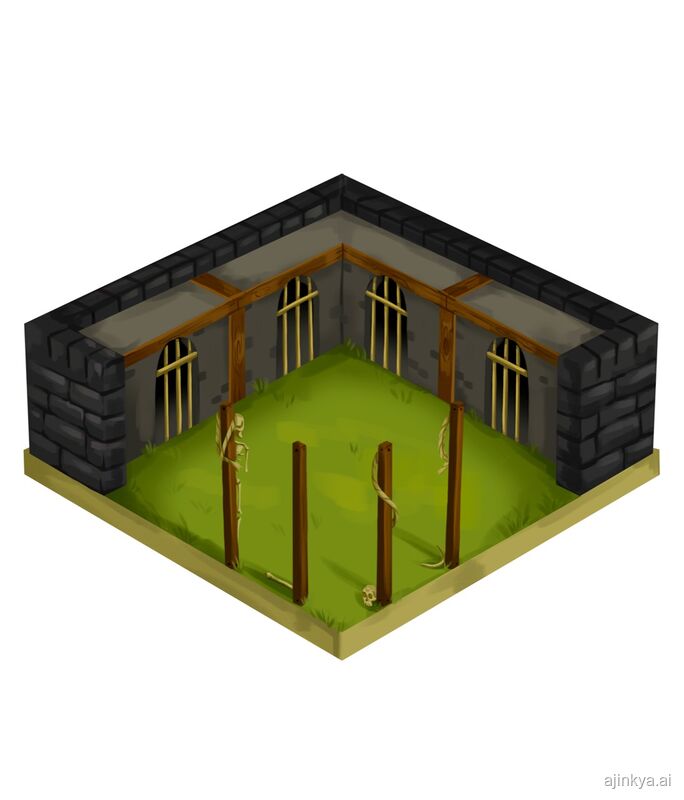
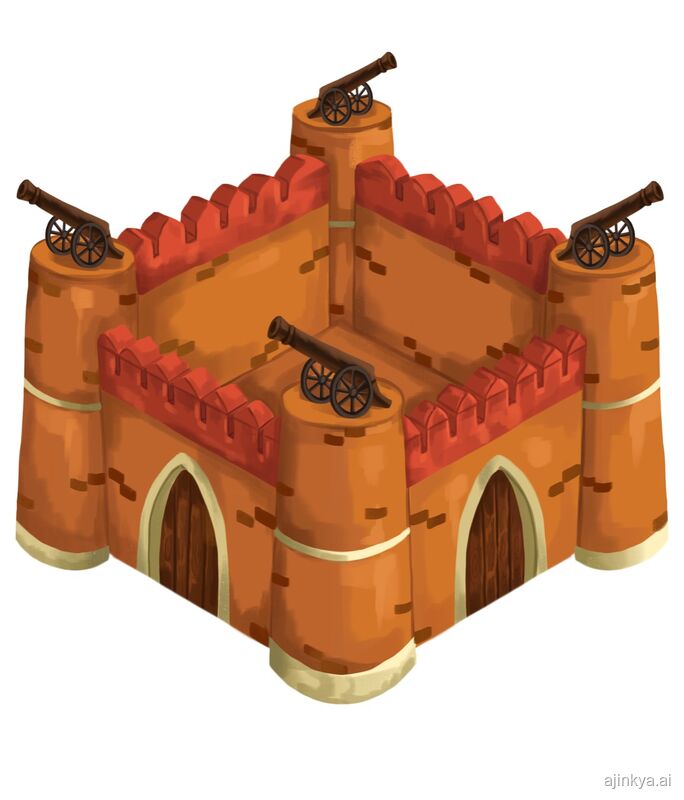
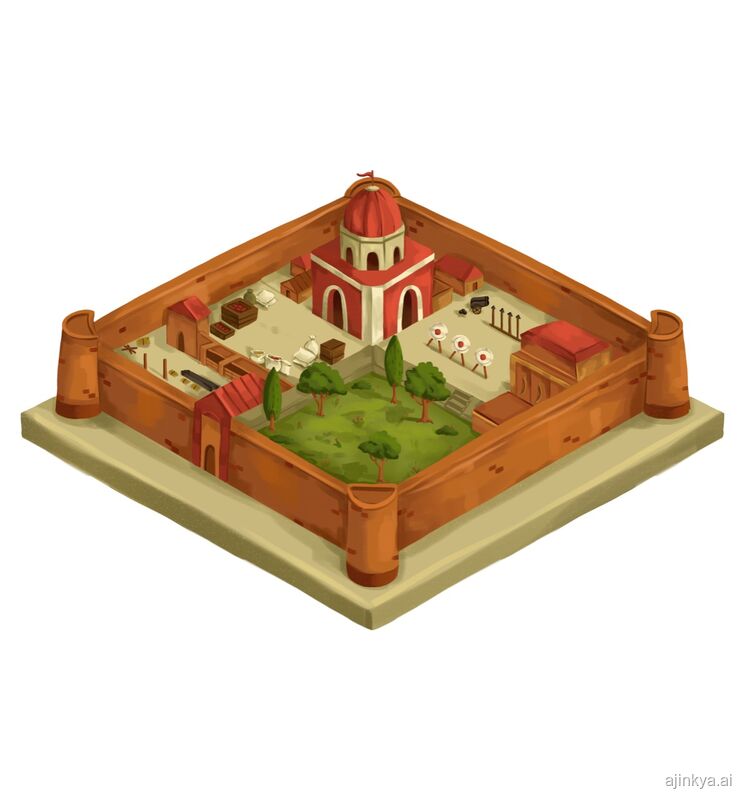
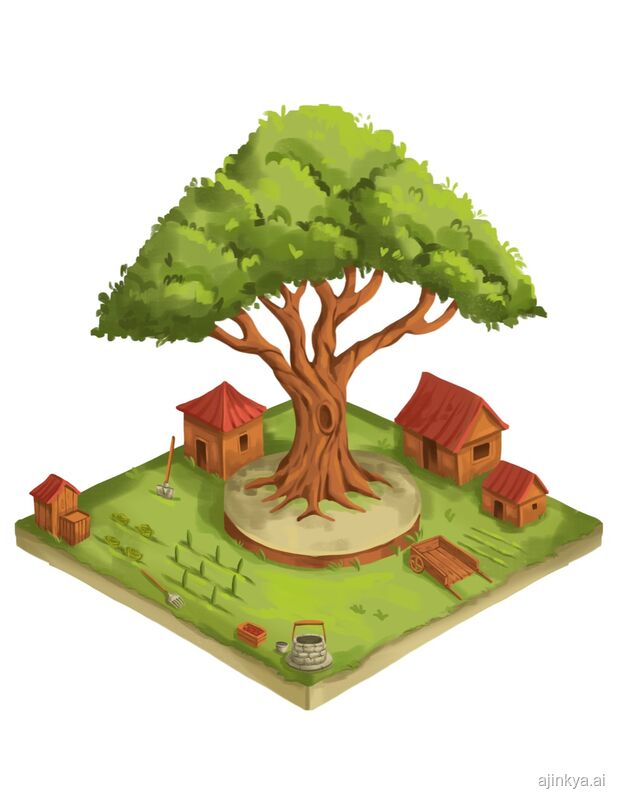
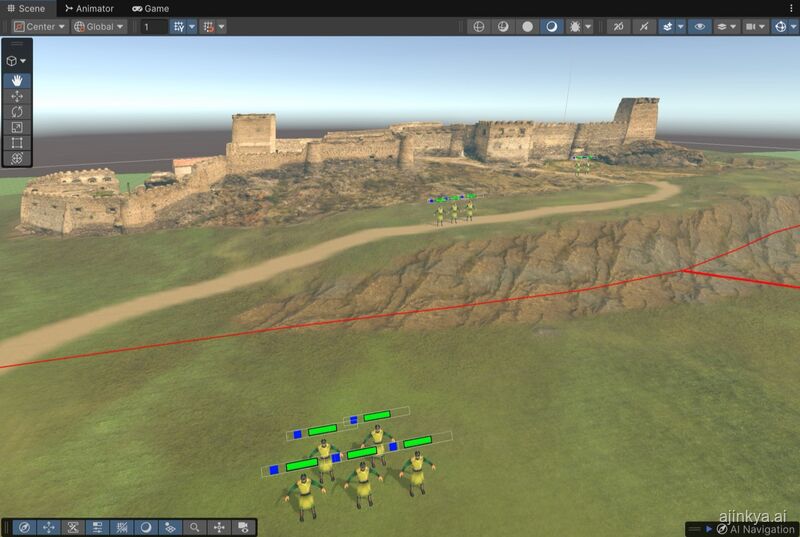
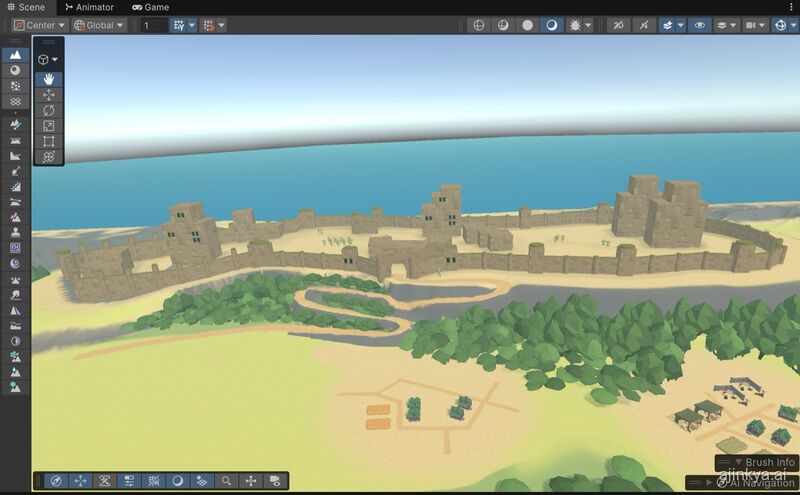
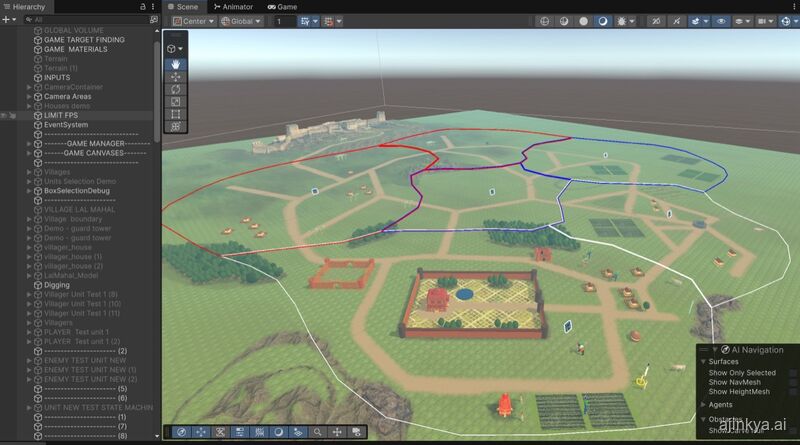
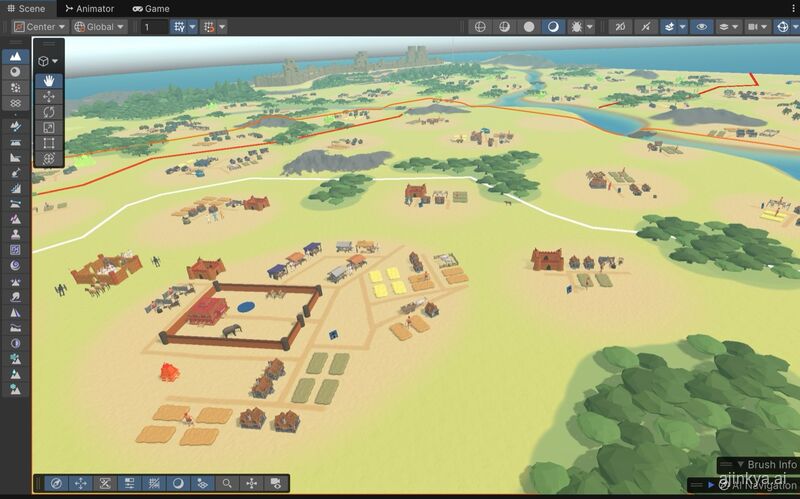
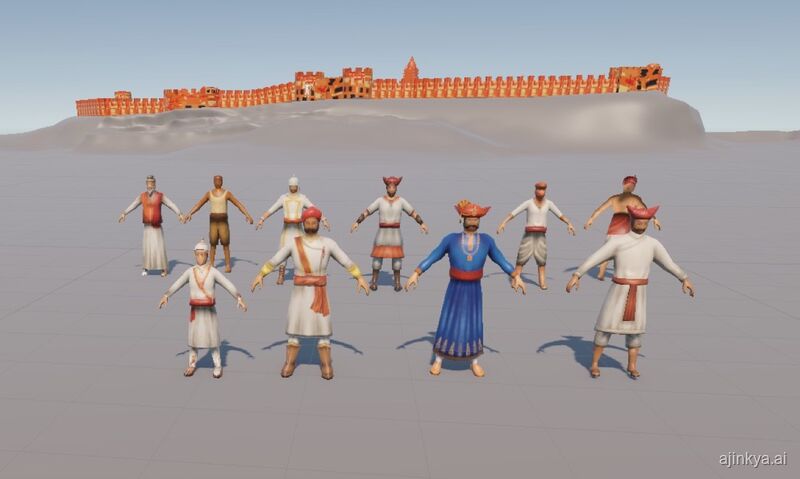
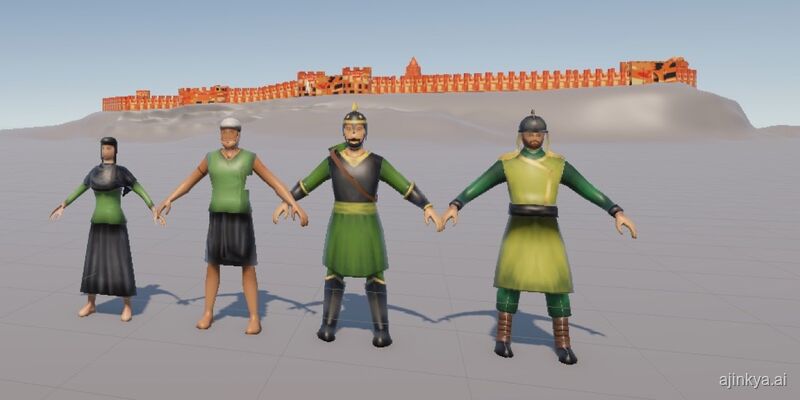
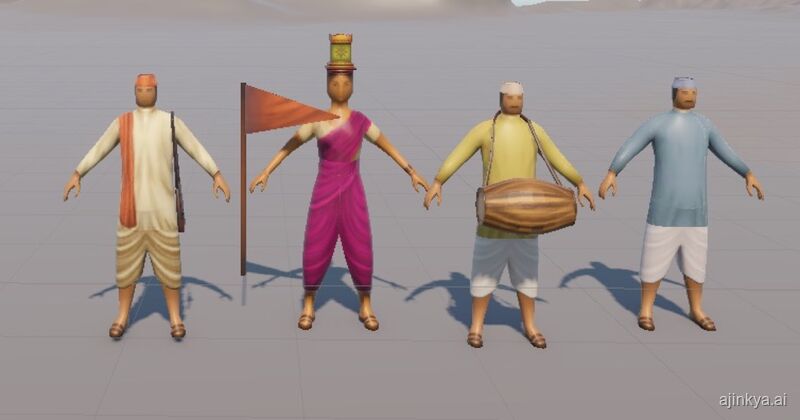
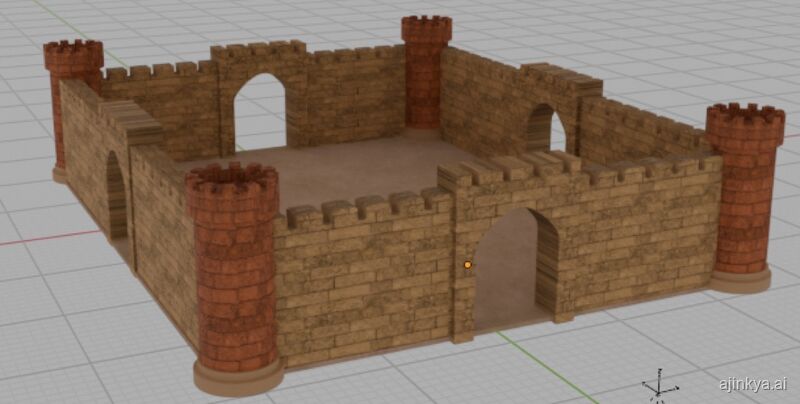
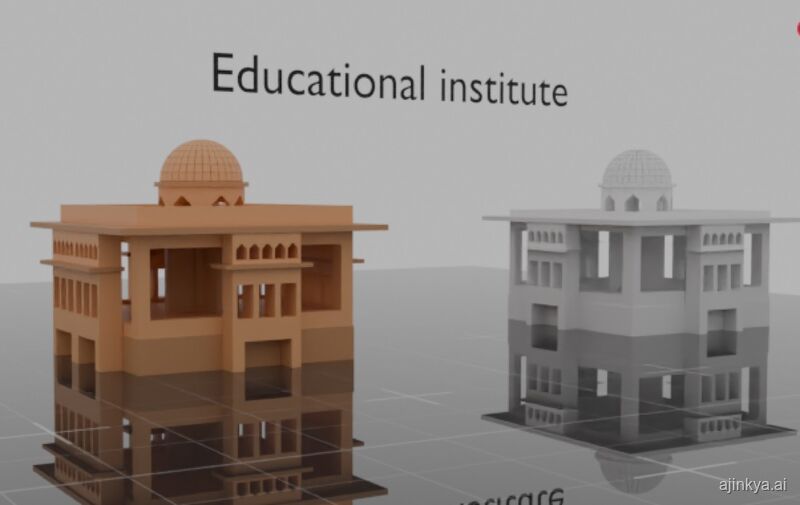
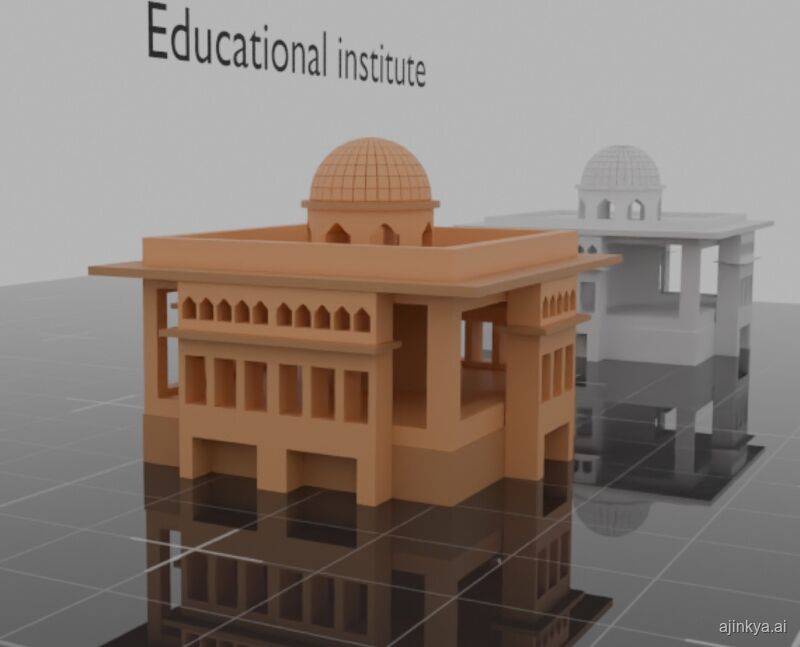
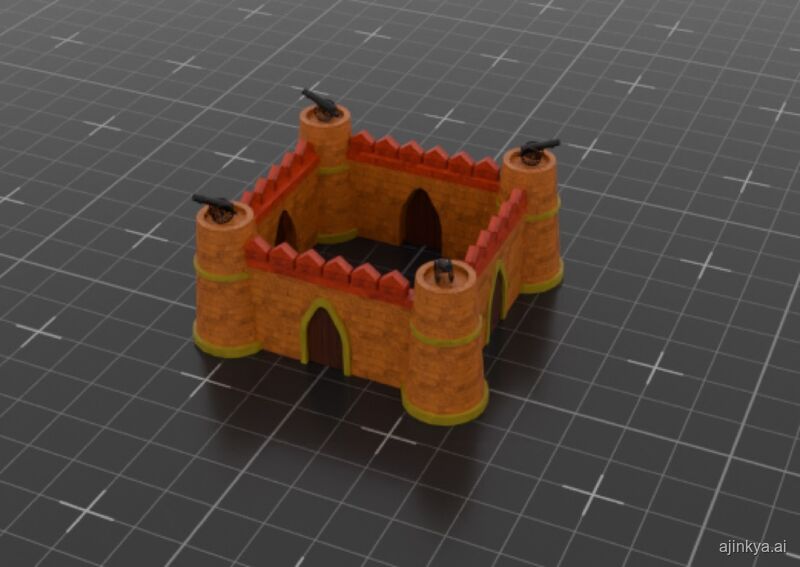
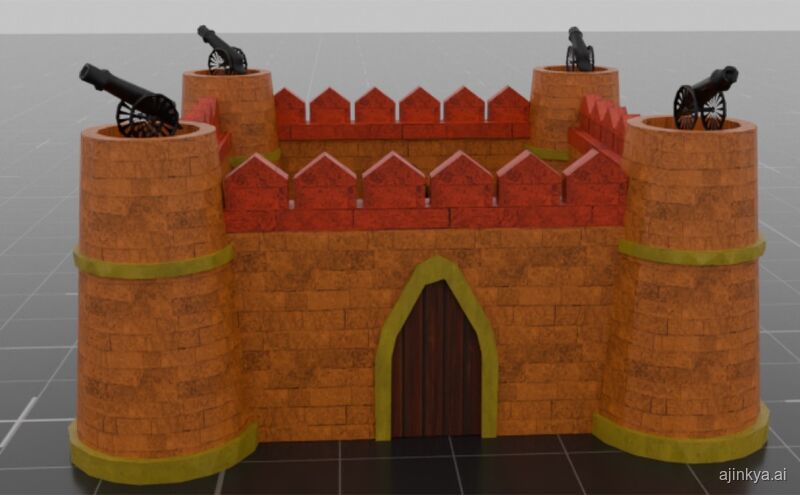
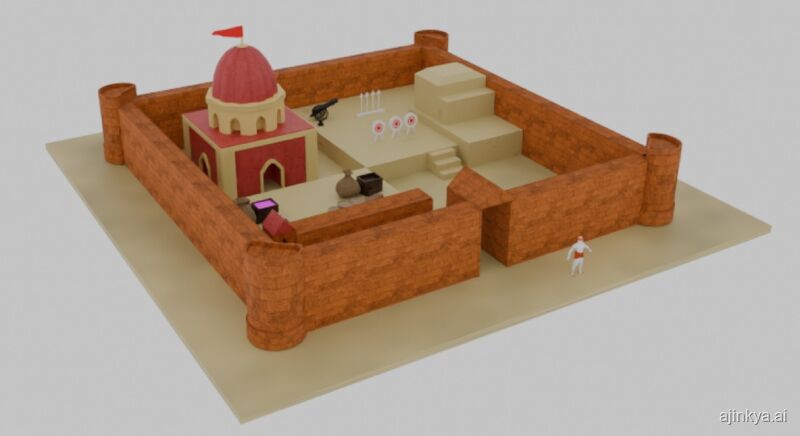
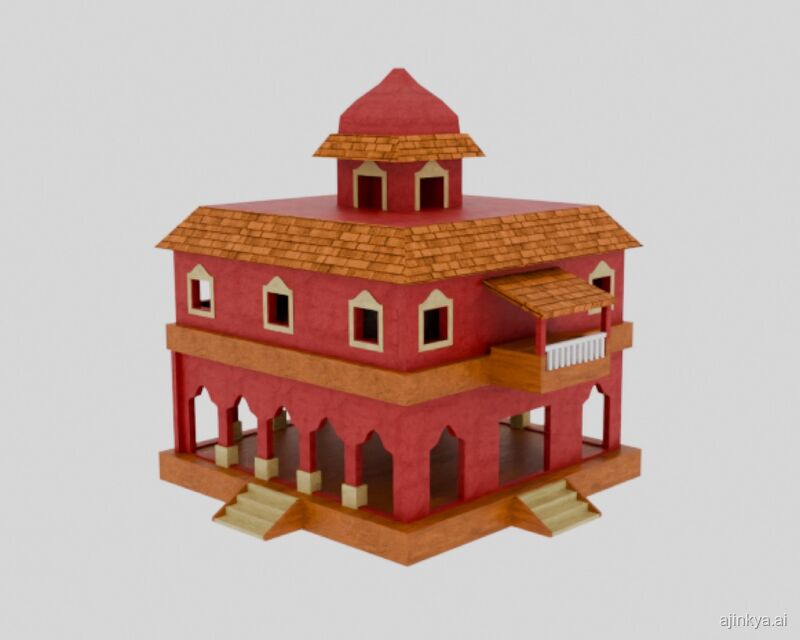
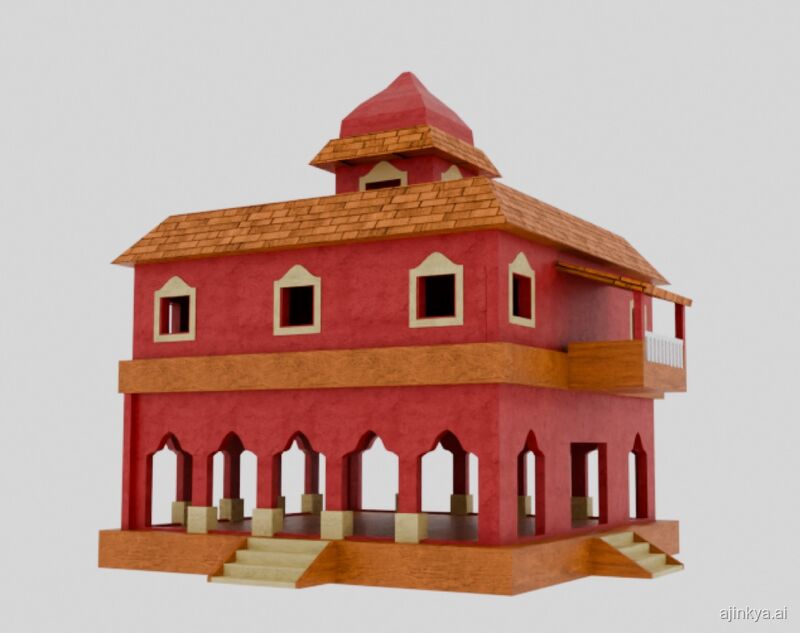
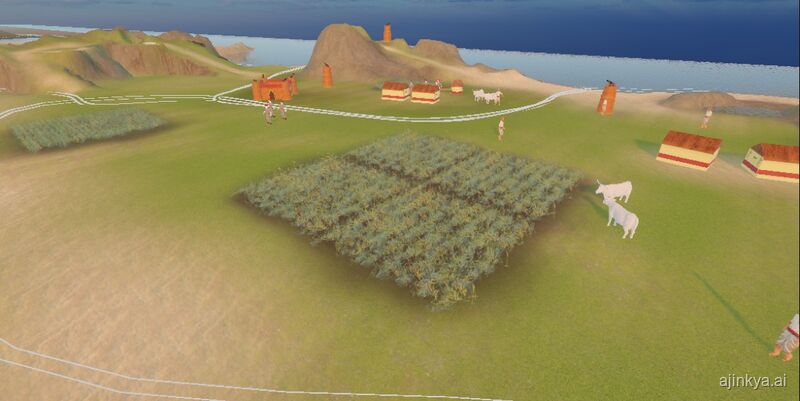
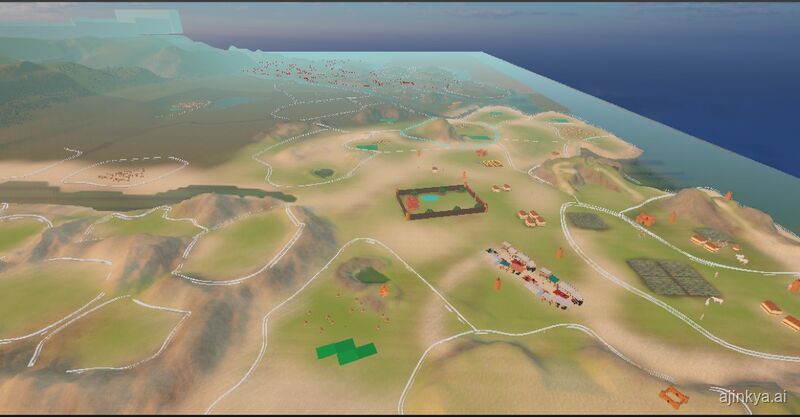
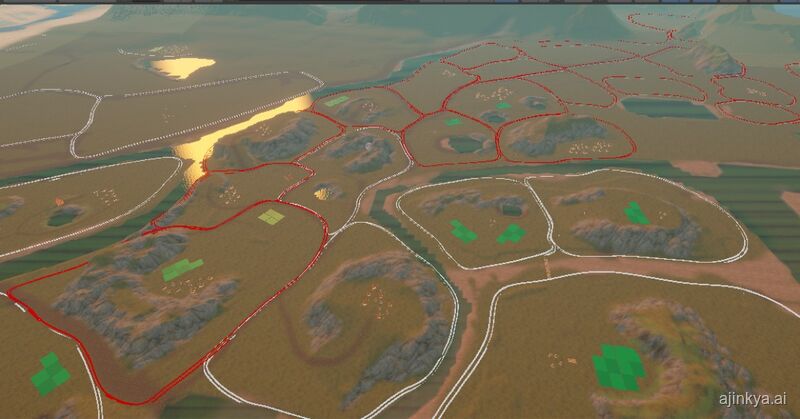
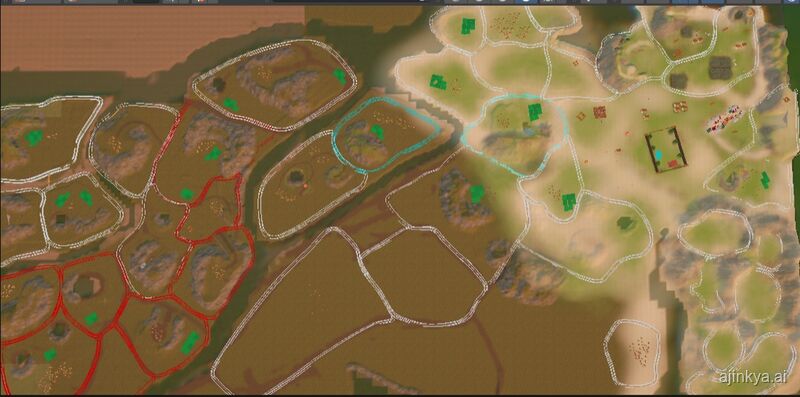
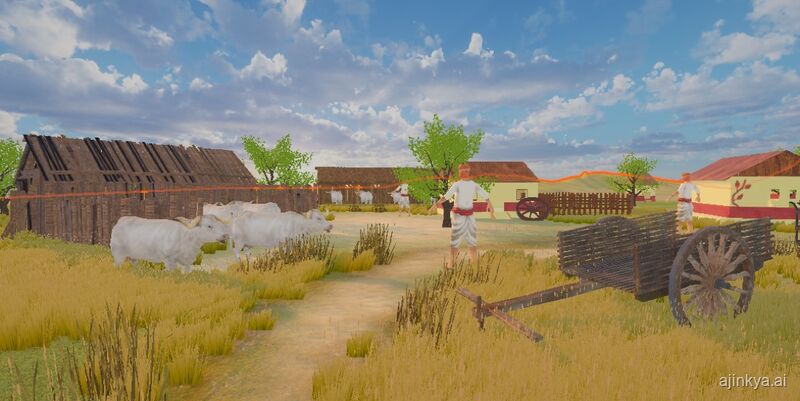
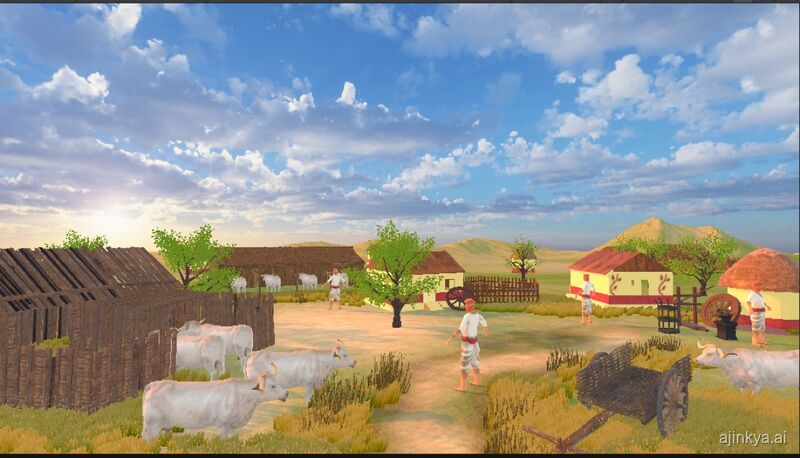
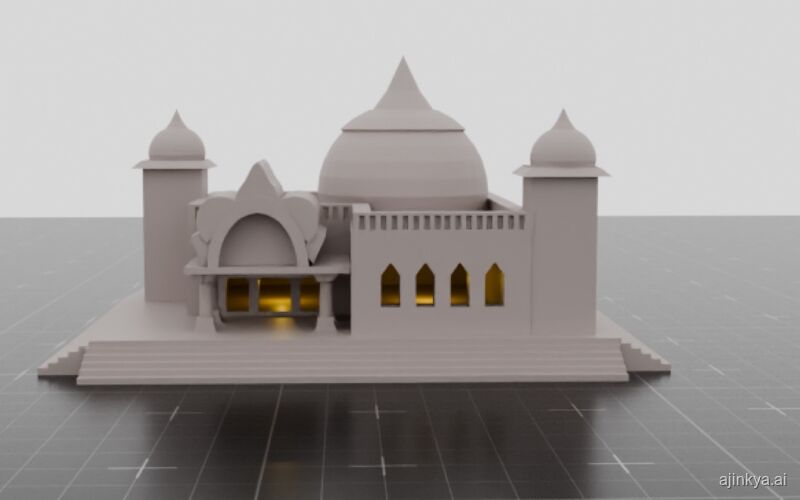
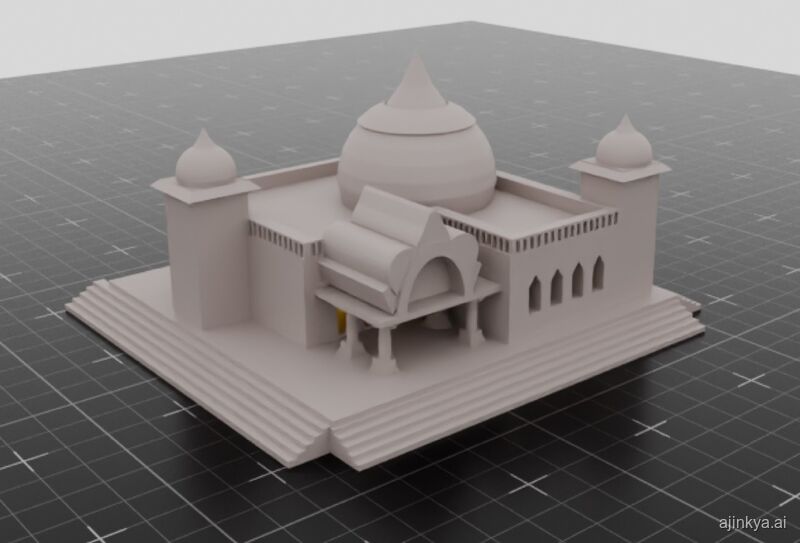
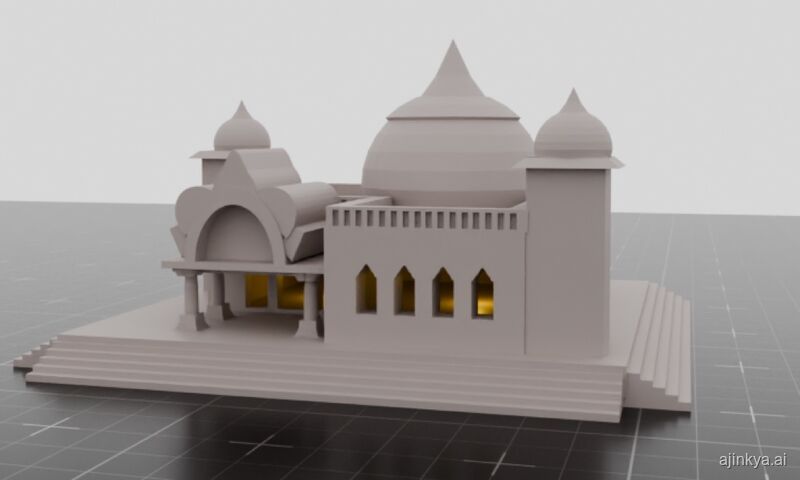
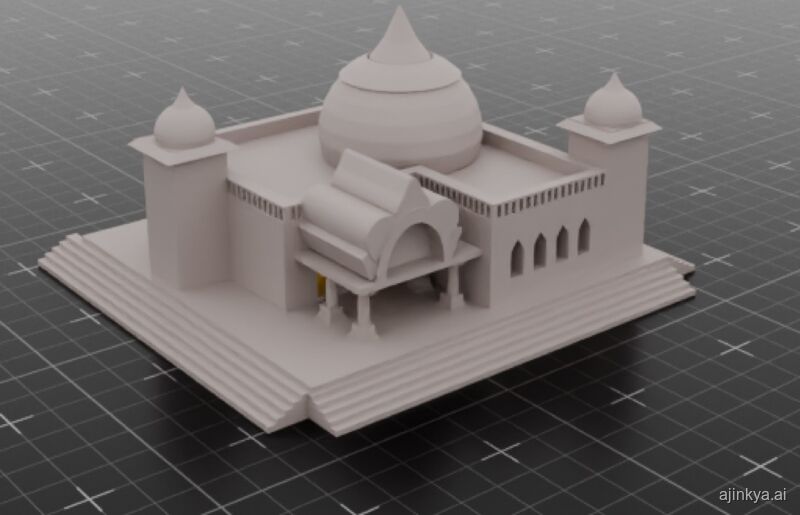
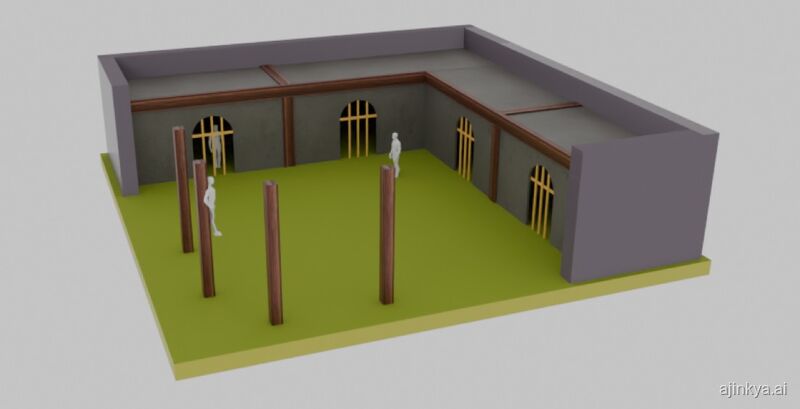
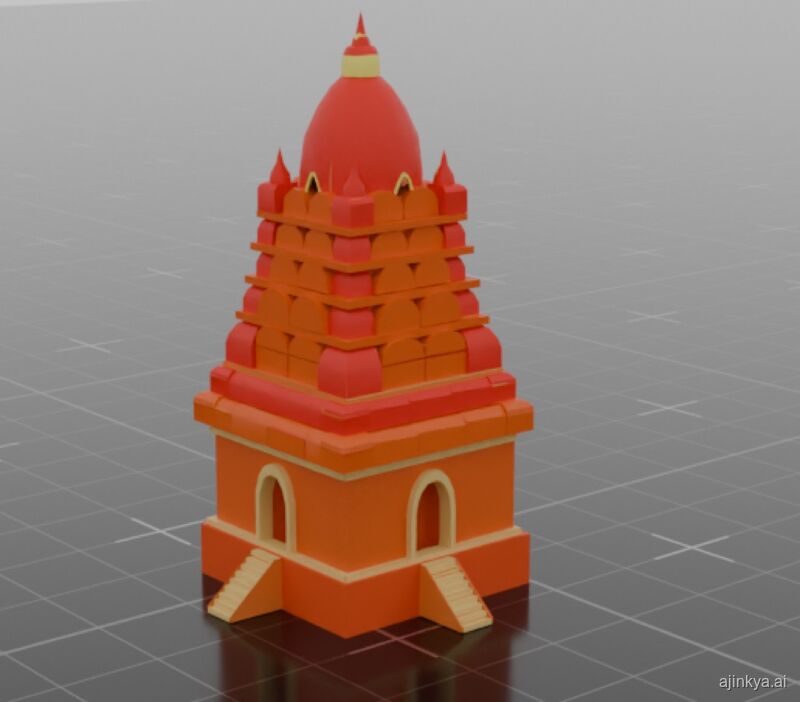
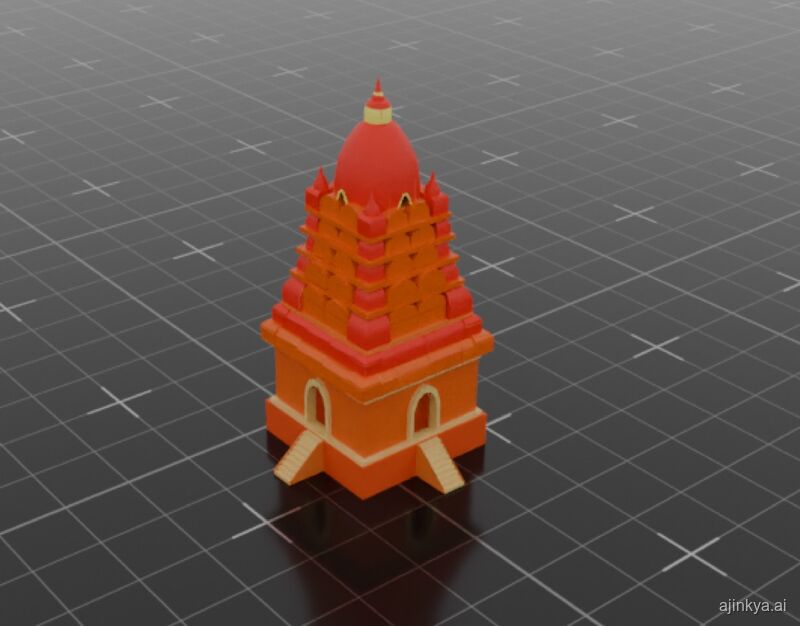
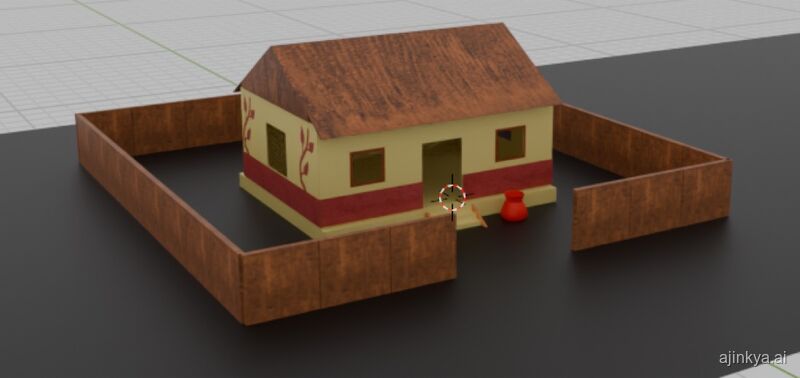
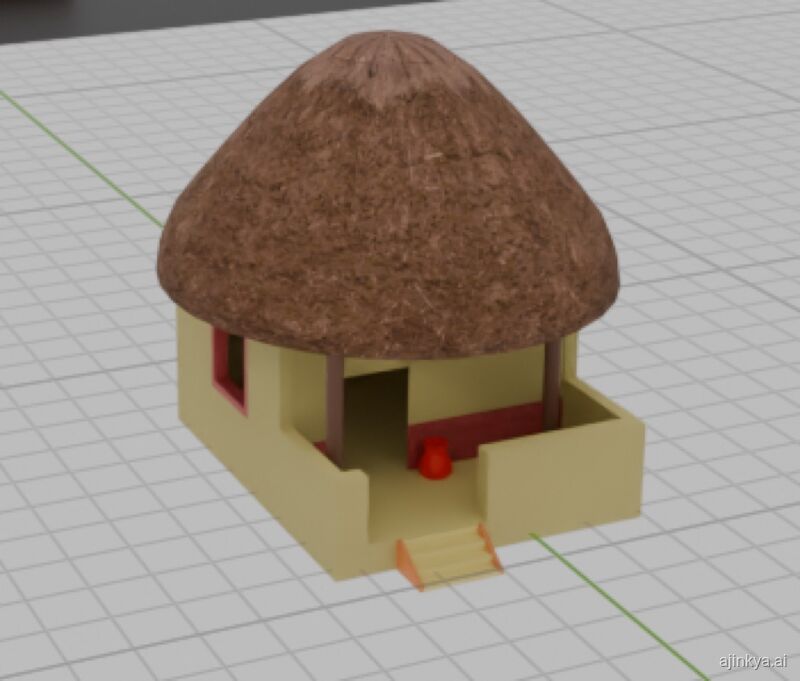
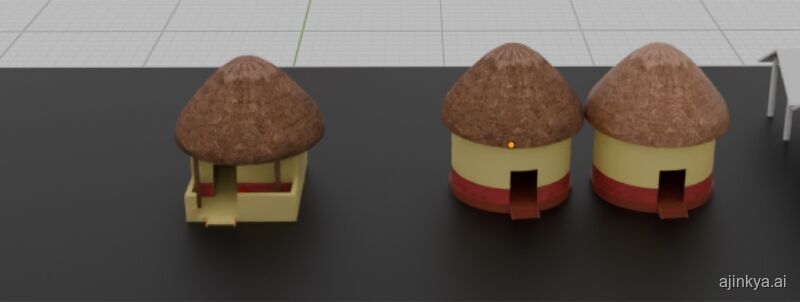
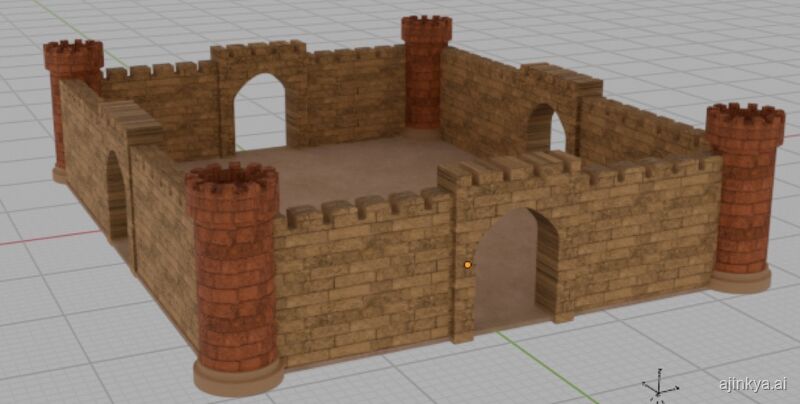
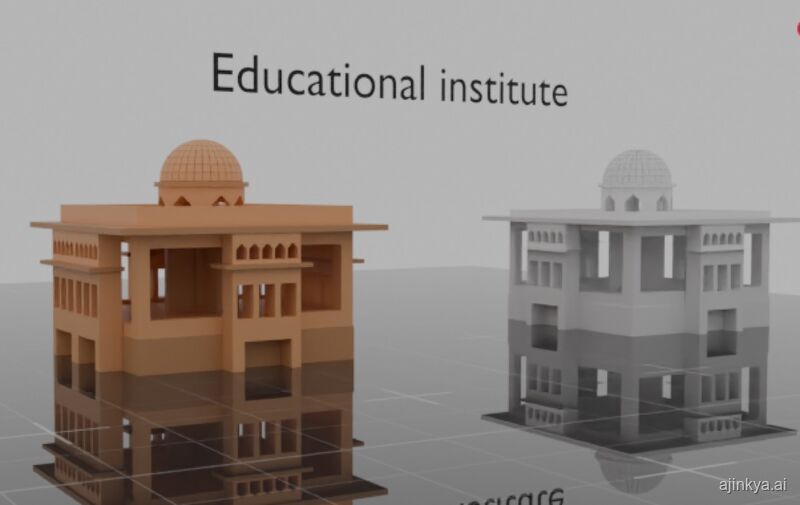
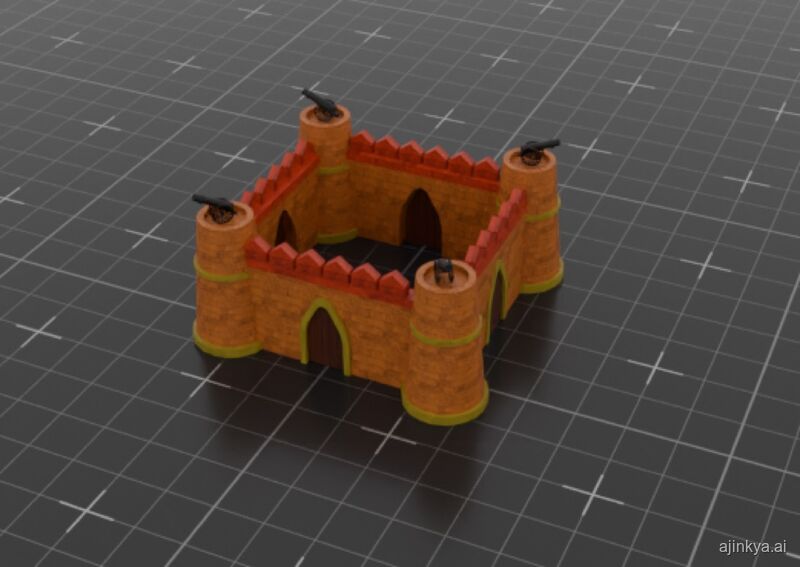
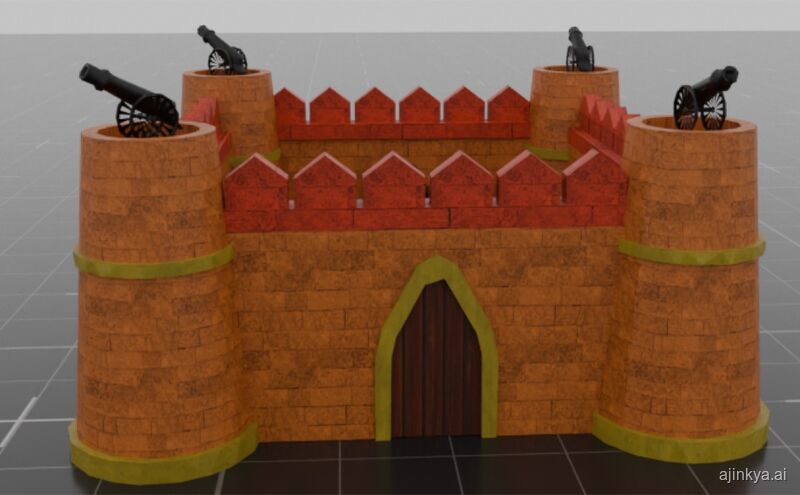
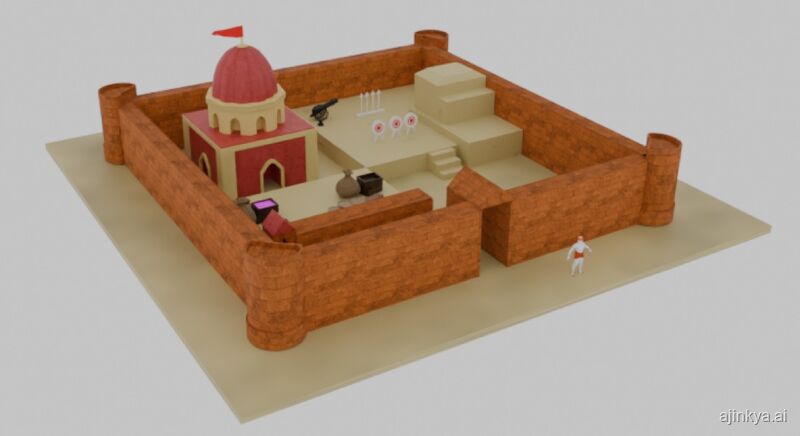
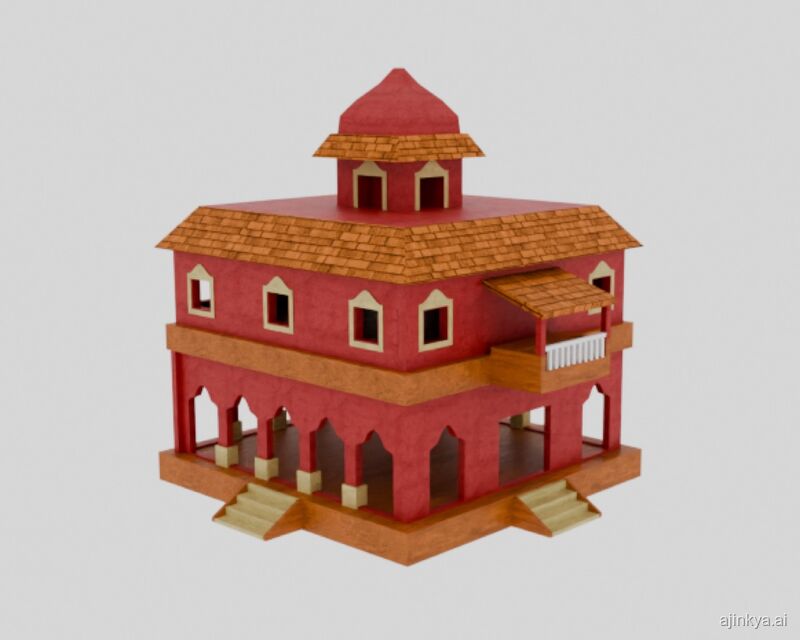
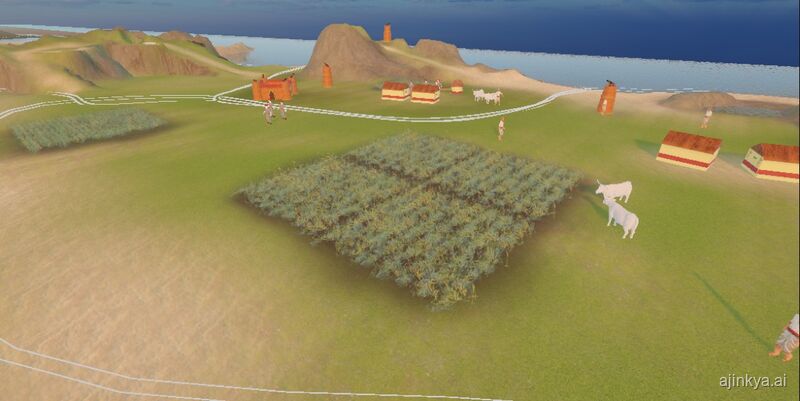
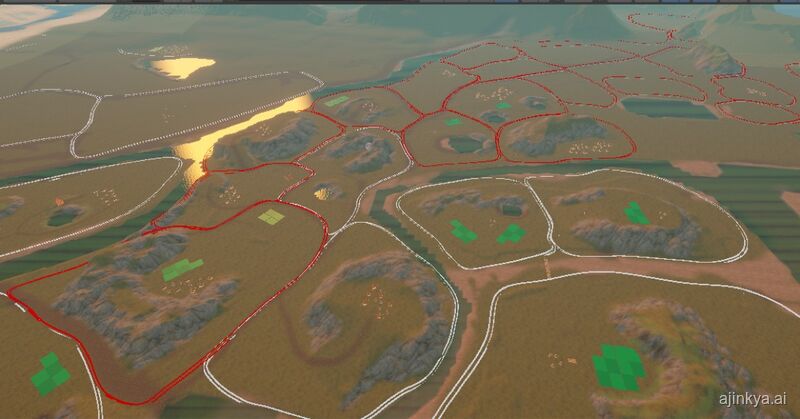
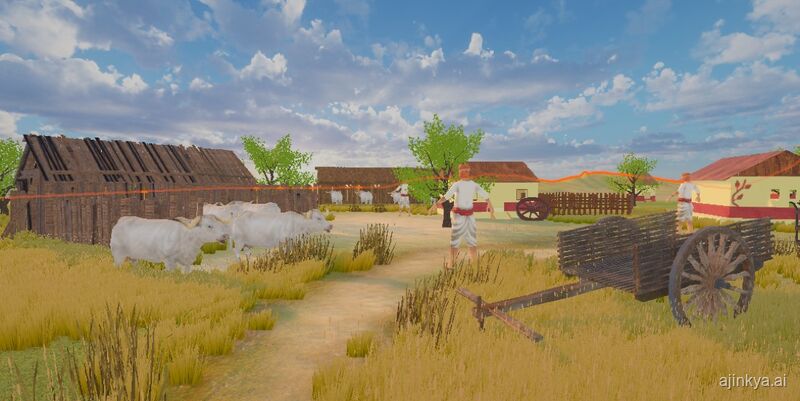
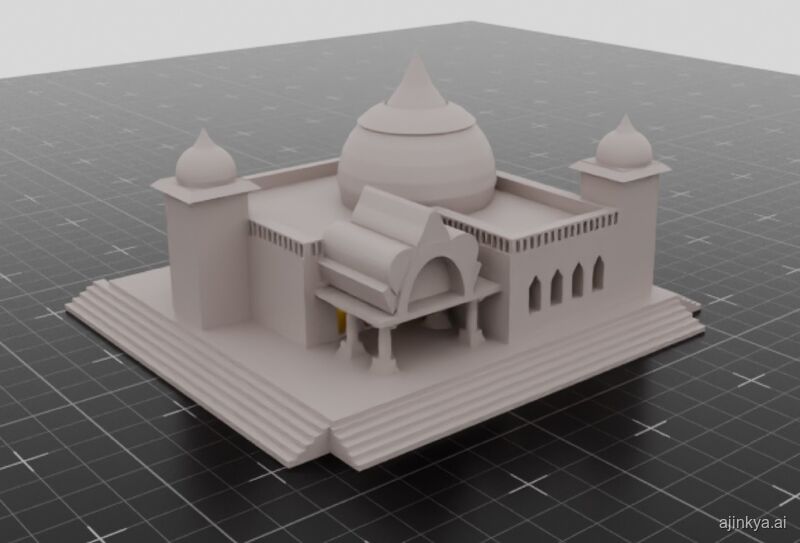
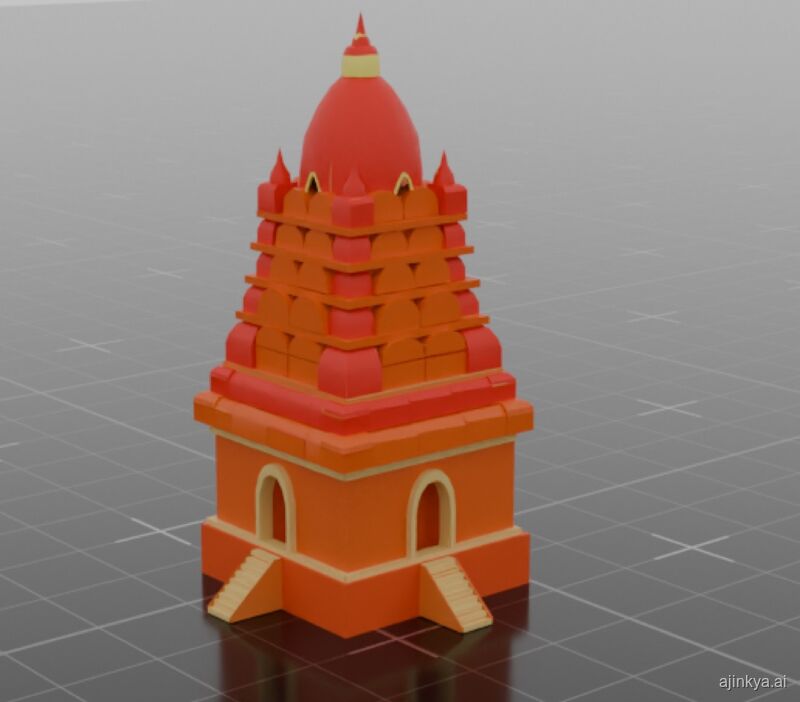
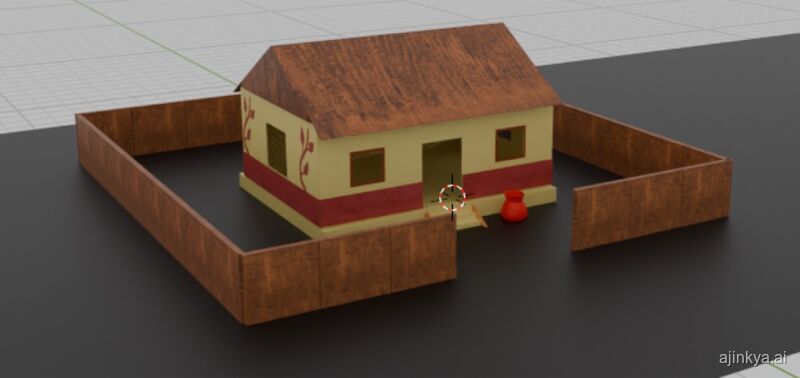
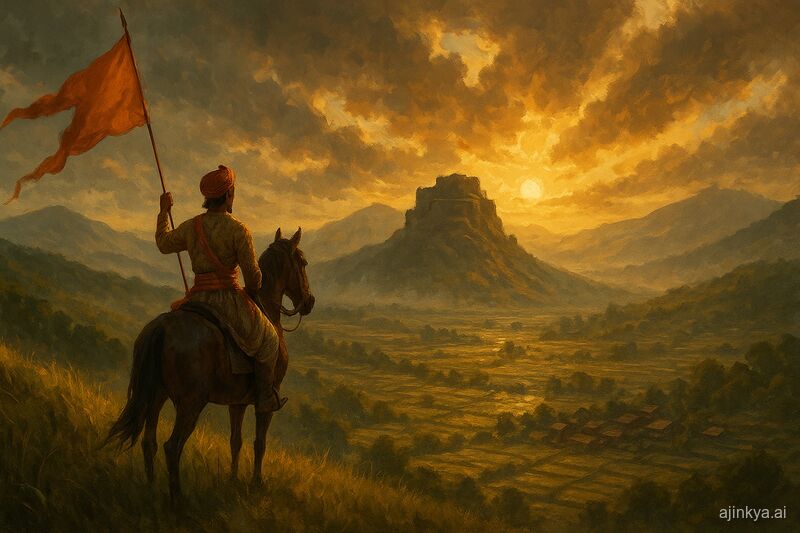
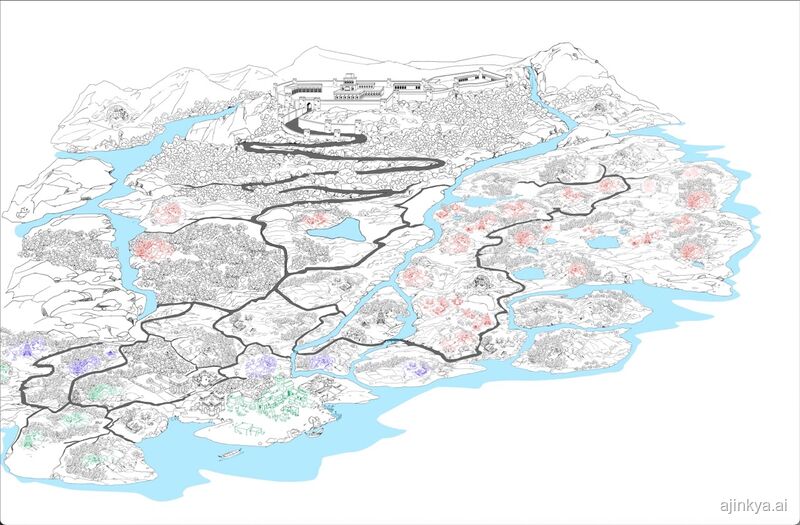
Piece by piece, a world took shape: twenty painted character designs, ten building illustrations, a hand-drawn campaign map of the country around Torna, Blender models, and a working Unity prototype with living villages and a fort on its hill.
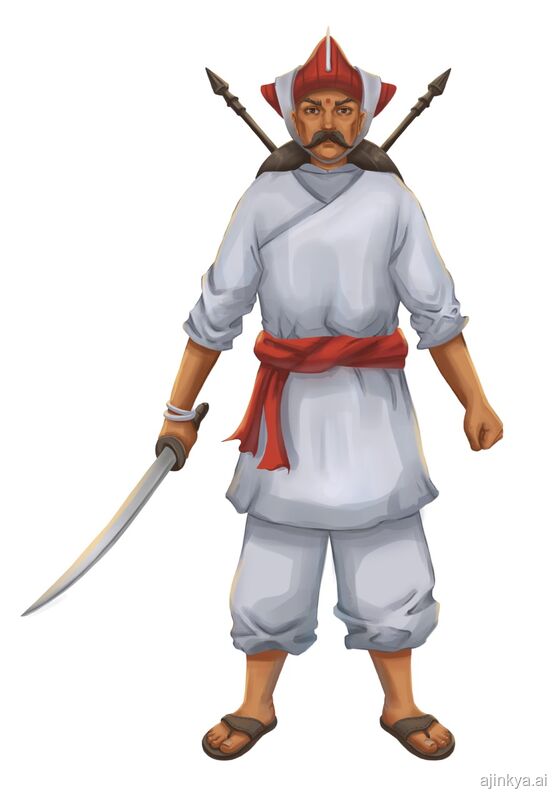
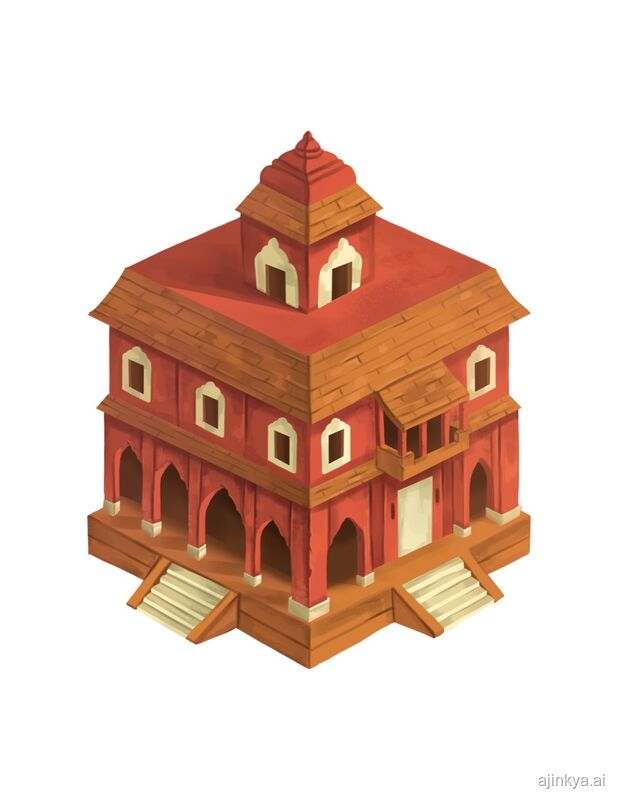
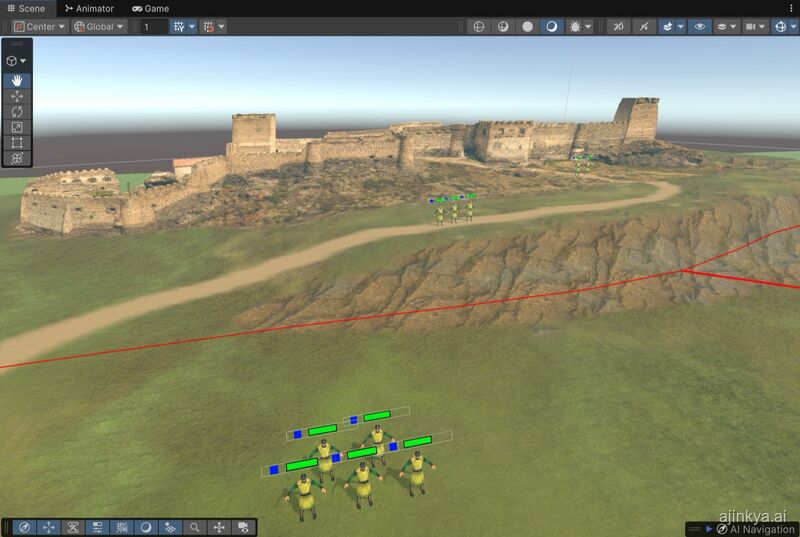
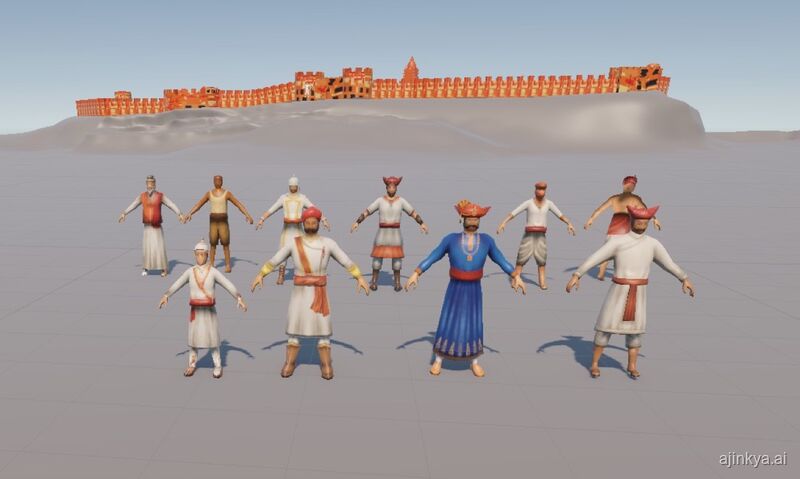
This year the idea found its best form yet: a web-based game — one page in the browser, nothing to install. AI-assisted coding turned the design into a playable prototype at a speed I could only dream of before: AI agents wrote most of the code to my design, while I directed, played, and kept the history honest. The idea, the research, the legitimacy model, and all the art are mine; the build velocity is what changed.
And the game plays the way he won. You don't out-produce and crush an opponent. You earn the countryside: protect villages, tax them fairly, free captives, build wells and schools — and as the country turns to you, the fort's garrison loses its grip until the killedar surrenders without a sword drawn. Legitimacy is the resource. Governing well is the strategy.
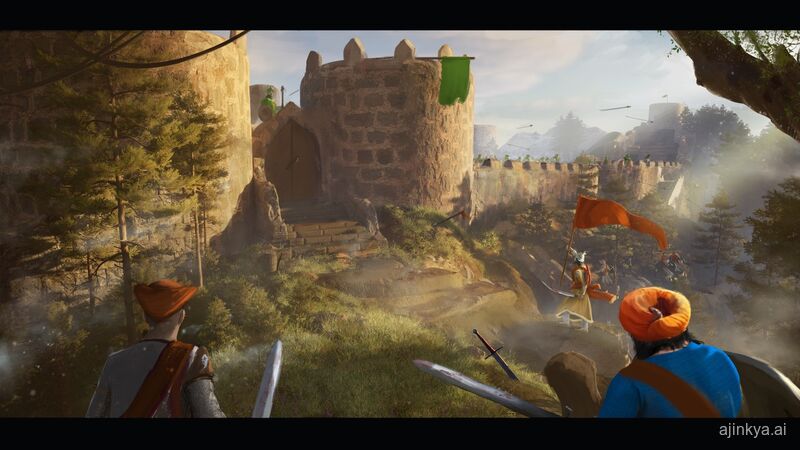
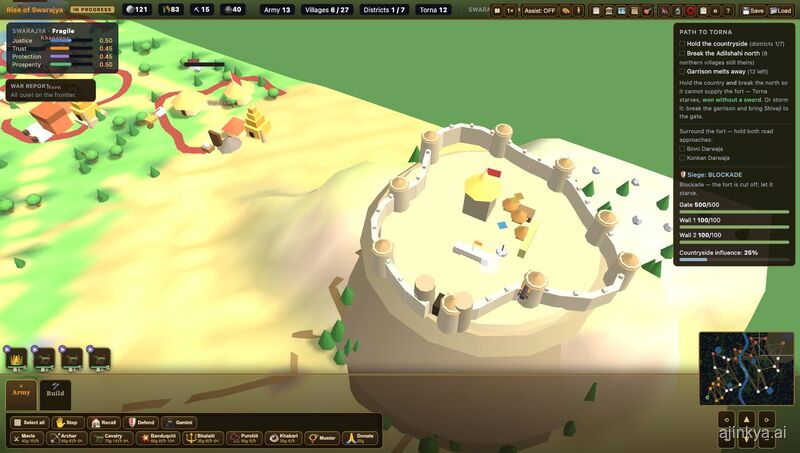
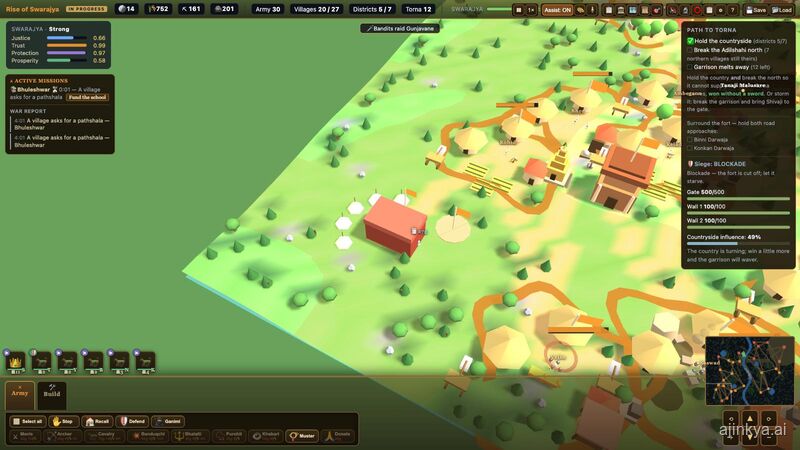
Work in progress · free · in the browser · design paper
It's an early build with rough edges, and that's exactly the fun of it — if the idea resonates with you, play it and tell me what you think. Start the way he did: don't raise an army first. Fix a well, protect a village, lower the taxes. The fort follows.
Kulkarni, Ajinkya (2026). Rise of Swarajya: A Legitimacy-Based Framework for Designing Strategy Games and Teaching History. Knowledge Commons.
DOI: 10.17613/cp7jn-je534
@article{kulkarni2026swarajya,
  author    = {Kulkarni, Ajinkya},
  title     = {Rise of Swarajya: A Legitimacy-Based Framework for Designing Strategy Games and Teaching History},
  year      = {2026},
  publisher = {Knowledge Commons},
  doi       = {10.17613/cp7jn-je534},
  url       = {https://doi.org/10.17613/cp7jn-je534}
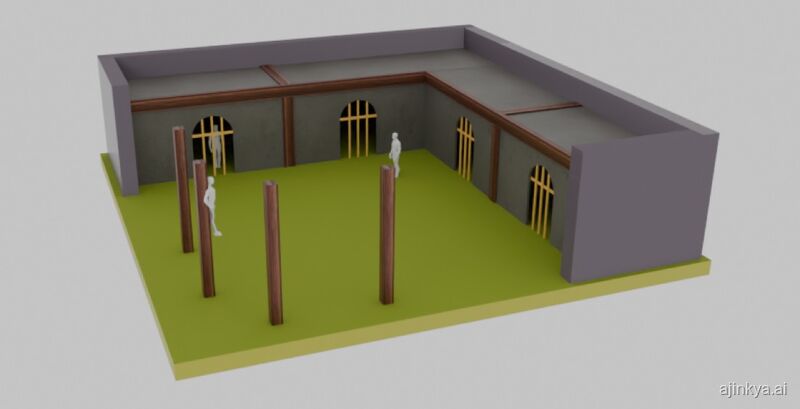
}A lot of craft went into this world — painted concept art, a hand-drawn campaign map, Blender models, and Unity building work. Special thanks to Prakash, Uttej and Bipanchy, who contributed to the development of the game — including the Unity building models and level designs below, and development tutorials along the way (read the building-and-construction tutorial).